
 By
By 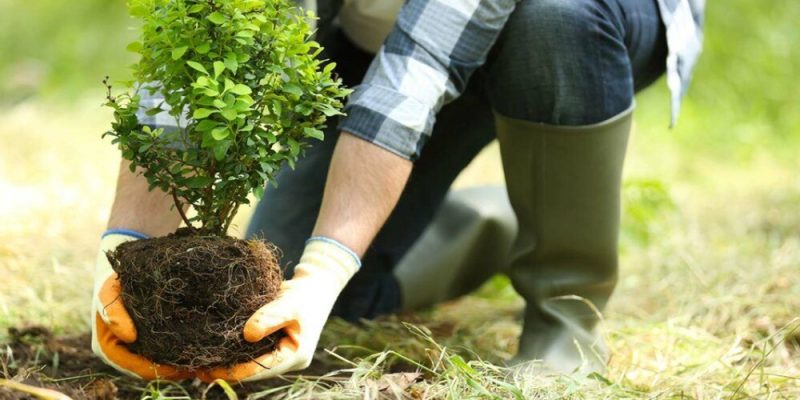
Most people get talked into planting a tree by a neighbour, a council flyer, or a vague sense that the backyard needs something. The tree goes in. Sometimes it thrives. Often it does not. What rarely gets discussed is why – and the answer usually has nothing to do with effort. Tree planting in Gold Coast suburbs is failing quietly in gardens all across the region, not because people are careless, but because the decisions made before the spade hits the ground are rushed, generic, and based on advice written for somewhere else entirely.
The Wrong Tree Is Worse Than No Tree
Walk through any Gold Coast suburb that developed heavily in the eighties and nineties. Look at the driveways. Look at the footpaths. The lifted concrete, the cracked edges, the roots pushing up through sealed surfaces – that damage was not caused by neglect. It was caused by planting decisions that prioritised fast growth and cheap availability over anything suited to the space. Camphor laurels were popular once. So were non-native figs. Both species were sold freely at nurseries for years before the problems they caused became impossible to ignore. Removal orders are now common. Homeowners pay the repair bills. The canopy disappears and nothing goes back in because nobody wants to repeat the mistake. The irony is that the mistake was never the tree. It was the match.
Locals Know What the Heat Actually Does
There is a particular kind of misery that comes from a west-facing brick wall in January on the Gold Coast. By three in the afternoon, that wall has been absorbing direct sun for hours. It radiates heat into the room behind it well into the evening. No amount of insulation fully corrects it. A tree positioned to shade that wall – planted years earlier, now tall enough to do the job – changes the thermal behaviour of that room in a way that no renovation can replicate cheaply. This is not abstract environmental benefit. It is the difference between a bedroom that is genuinely uncomfortable to sleep in and one that is not. People who have lived in canopied streets versus exposed ones do not need convincing. They have felt it.
Native Species Have a Memory of This Place
A nursery with a wide selection is not always an asset when it comes to tree planting on the Gold Coast. The sheer variety available makes it easy to choose something visually appealing, structurally impressive, or simply familiar from someone else’s garden – without ever asking whether it belongs in this specific soil, under this specific rainfall pattern, in a region that swings between prolonged dry and sudden intense wet. The firewheel tree flowers in late summer when little else does, which matters to the lorikeets tracking that gap in the season. The tuckeroo handles salt-laden coastal winds without dropping branches. The native frangipani grows at a pace that suits suburban blocks without ever becoming an infrastructure problem. None of that knowledge is on the label at the nursery. It has to come from somewhere else.
Stormwater Is a Bigger Issue Than Most Realise
The Gold Coast has a stormwater problem that rarely gets framed honestly in conversation about urban greening. Creek systems across the region are under consistent pressure from sediment, nutrient runoff, and the sheer volume of water moving off hard surfaces during storm events. The conversation usually jumps to infrastructure – bigger pipes, better drains, engineered retention basins. What gets overlooked is that trees were doing this work long before any of that infrastructure existed. A canopy intercepts rainfall and slows its descent. Roots take up water that would otherwise sheet off a slope and carry topsoil into a waterway. Near the estuaries that give the Gold Coast much of its identity and ecological value, that interception matters in ways that only become visible when the trees are gone and the water runs brown after every storm.
Soil Tells You What a Garden Has Lost
Dig a hole in the average suburban Gold Coast garden and pay attention to what you find. If the soil clumps into hard, dry blocks, repels water when you pour some in, and has almost no smell, that garden has been losing ground for years. Healthy soil has an odour – a specific, earthy quality that comes from fungal and microbial activity working below the surface. Most suburban blocks have had that life steadily stripped out by compaction, lawn chemicals, and the absence of anything dropping organic matter onto the ground. Trees fix this in a way that no bag of fertiliser does. Their roots crack open compacted layers. Their leaf litter slowly rebuilds the organic layer that feeds the soil food web. It is slow. It is not dramatic. But a garden with an established tree in it behaves differently from one without – the soil holds moisture differently, the surrounding plants respond differently, and the whole system becomes less brittle over time.
Conclusion
Tree planting in Gold Coast landscapes is not complicated, but it is specific. The region has a climate, a soil profile, a wildlife community, and an infrastructure history that generic planting advice simply does not account for. The trees that work here are not always the ones that look the most impressive at the nursery or grow the fastest in the first season. They are the ones chosen with an understanding of what this place actually needs – and planted with enough attention to give them a genuine start. That combination does not guarantee a perfect outcome. It does, however, make a lasting one far more likely.



Comments