
 By
By 
Although acrylic is becoming one of today’s most often-utilised materials for modern interior decoration, there are still various misconceptions regarding how it will perform and its usability regarding cabinets, partitions, wall panelling, and decorative elements; the truth about each of these misconceptions can assist you in making sound design choices. The following are some examples of misinterpreted perceptions of acrylic sheet products.
Myth #1 Acrylic Sheets Are Fragile
Fact: A well-manufactured acrylic sheet is made to be impact-resistant and will shatter far less than a glass product manufactured as a like-for-like replacement.
Acrylic sheets, although lightweight, are incredibly durable; under daily use, acrylic will withstand the daily rigours of use and moderate amounts of impact. Acrylic sheets are great candidates for use in kitchens, cabinets, and commercial interiors; thus, while acrylic will break under excessive forces, it will reliably perform under normal use.
Myth #2 Acrylic Sheets Are the Same as Plastic
Fact: Yes, acrylic sheets are a thermoplastic material that has superior optical clarity and strength compared to most plastics.
Acrylic sheets are created using polymethyl methacrylate (PMMA), which is much more rigid and stronger than most other plastic sheeting. Acrylic is more beautiful, has a higher surface finish quality, and has superior structural properties than most ordinary plastic sheet products; thus, its clear and shiny appearance allows for various high-end interior applications.
Myth #3 Acrylic Sheets Will Yellow Over Time
Fact: High-quality acrylic sheeting is UV stable and will not discolour.
Today’s acrylic sheet products are manufactured to withstand the effects of UV exposure from standard interior lighting and moderate exposure to natural sunlight. Yellowing or fading typically occurs with low-quality acrylic sheet products after extended exposure to UV light or to low-quality installation products; however, yellowing will not occur with quality acrylic sheet products if installed in the correct environment with quality installation products.
Myth #4 Acrylic Sheets Require High Maintenance
Fact:Acrylic sheets are straightforward to clean and maintain.
Cleaning acrylic sheets with a mild cleaning solution (i.e., soapy water) and using a soft cloth is generally adequate for removing dirt and fingerprints from acrylic sheets; because acrylic sheets are non-porous, water and most spills will not penetrate acrylic unless placed in standing water or spills and not cleaned up.
Myth #5 Acrylic Sheets Are Only Available in High-Gloss Finishes
Fact: Acrylic sheet products are available with other finishes in addition to high gloss.
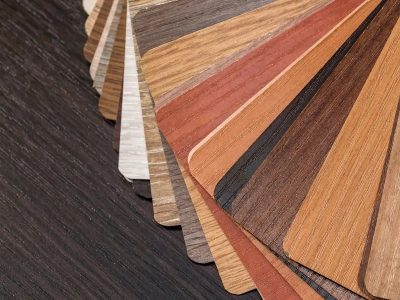
While glossy acrylic sheeting has continued to be the preferred finish for modernized kitchen cabinetry and wardrobes, there is an opportunity for interior designers to utilise matte and textured finishes for use in their designs because acrylic sheet products can be manufactured in many different finishes, including matt acrylic and even solid acrylic variations.
Myth #6 Acrylic Sheets Are Overpriced
Fact: When you consider the level of durability and quality of acrylic compared to the other higher-priced surface materials, the total cost of ownership makes acrylic sheets a more viable economic choice than glass or other surface materials with higher costs and better-quality appearances and longer life expectancy when properly maintained.
Summary
Every good-quality acrylic sheet possesses an appealing appearance, moisture resistance, and flexibility to design various interior applications. Most of the myths associated with acrylic surfaced from the confusion with inferior plastic products and improper installation techniques. Therefore, when you are using quality materials and properly installing acrylic sheets, they remain a dependable material and an attractive alternative for modern, fashionable interior spaces.







Comments