
 By
By 
Key Takeaways
- There are core differences between natural timber and high-performance composite alternatives.
- Outdoor flooring withstands Singapore’s intense humidity and UV exposure.
- There are long-term cost benefits of low-maintenance materials versus traditional wood.
- Modern engineering allows for a natural wood look without the traditional drawbacks.
Introduction
The balcony or garden is often the only sanctuary where we can connect with the outdoors. Transforming these spaces into functional extensions of the living room requires a foundational shift in how we view outdoor flooring. The choice of decking in Singapore is arguably the most significant investment in their property’s exterior. A deck here is a battleground against moisture, wood rot, and thermal expansion. Transitioning from a concrete slab to a beautifully finished deck involves a strategic decision between tradition and innovation. Choosing composite decking in Singapore provides a path toward an outdoor space that remains pristine for decades with minimal intervention.
The Great Material Standoff
Traditionalists argue that nothing can truly replicate the organic warmth and unique grain patterns of natural timber. They point to the historical longevity of certain tropical hardwoods when properly oiled and maintained. Natural wood is porous and absorbs the 80% average humidity we experience daily. Over time, this leads to warping, splintering, and the inevitable greyish fade caused by UV degradation. For many experts, the debate is about the practical reality of living in a high-maintenance environment where time is a luxury most homeowners do not possess.
The counter-argument suggests that composite decking in Singapore is the logical evolution of the industry. These experts argue that by blending recycled wood fibres with high-density polyethene, you create a board that is essentially immune to the tropical elements. In professional debates, the focus often shifts to the lifecycle cost of the installation. While the initial price point of high-quality composite may be higher than some mid-range timbers, the absence of annual sanding, staining, and varnishing makes it a more economical choice over a ten-year horizon.
Why Composite Wins in the Tropics
Understanding why composite decking in Singapore has become a market leader requires engineering behind the planks. Traditional wood is susceptible to termite attacks and fungal growth, both of which thrive in our warm, wet environment. Wood Plastic Composite (WPC) boards are manufactured with specialised anti-fungal agents and are naturally unappealing to pests. This material resists the rot that typically begins at the joist level, where water tends to pool. Furthermore, the colour in composite boards is baked in during the extrusion process.
Natural wood decks develop small cracks that can be hazardous to bare feet, especially for families with children or pets. High-quality decking in Singapore incorporates slip-resistant textures and heat-dissipation technology. While any surface will get warm under direct sunlight, many composite brands are engineered to stay cooler than traditional dark-stained timber. This functional advantage makes the transition to composite a pragmatic choice for those who want a barefoot-friendly outdoor experience.
Designing for the Modern Urbanite
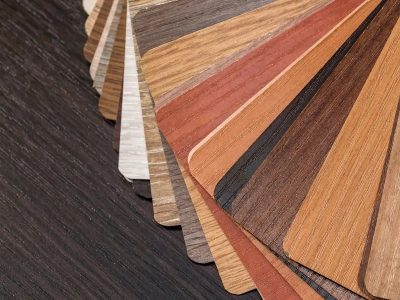
Modern urban design in Singapore leans toward a seamless transition-a concept often referred to as biophilic design. To achieve this, the flooring inside the house should ideally find a visual echo in the composite decking in Singapore outside. Because WPC comes in a vast array of factory-controlled shades, it is much easier to match your deck to your indoor parquet or vinyl flooring than it is with natural wood, which varies significantly from batch to batch. This consistency allows for a visual expansion of the home, making even a modest balcony feel like a spacious alfresco dining room.
Moreover, the versatility of modern decking allows for creative installations that go beyond simple parallel planks. Landscape designers are now using these materials to create built-in benches, planter boxes, and even vertical feature walls. Because composite material is so uniform and easy to work with, it can be cut and mitred with high precision, allowing for a level of finish that mimics fine cabinetry. By choosing a material that combines the best of nature and technology, you are investing in a space that supports your relaxation and enhances your property’s value for years to come.
Conclusion
The journey to a perfect outdoor space is defined by the balance between aesthetic desire and the harsh realities of the tropical climate. By selecting a material that resists the twin threats of humidity and UV radiation, you are securing a future of relaxation rather than one of constant maintenance. Your outdoor space should be a place where you unwind from the stresses of city life, not a source of new chores. Ultimately, the goal of any high-quality decking in Singapore is to create an environment that feels both luxurious and resilient. Reclaim your space and let your home’s exterior finally reflect the quality of its interior.
Unsure which material suits your home? Enquire at Hardscapes and choose with confidence today.





Comments