
 By
By 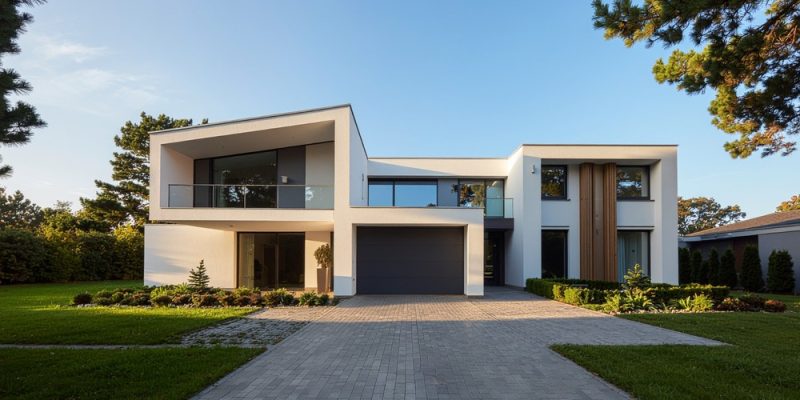
Contemporary luxury homes are often admired for their clean lines, open layouts, and refined simplicity. But the homes that leave the strongest impression are usually the ones that feel current without feeling temporary. Trends come and go, yet certain architectural choices continue to resonate decade after decade. That lasting appeal does not happen by accident. It comes from careful decisions about proportion, materials, light, and detail.
A timeless home is not one that ignores the present. Instead, it uses modern design in a way that feels grounded, elegant, and enduring. The most successful properties combine contemporary living with classic architectural discipline, creating spaces that still feel relevant as styles shift. Here are eight architectural details that help contemporary luxury homes achieve that balance.
1. Balanced Proportions
One of the most important ingredients in timeless design is proportion. A home can feature expensive finishes and dramatic spaces, but if the scale feels off, the entire composition can feel dated or visually uncomfortable. Balanced proportions create harmony between ceiling heights, window sizes, room dimensions, and the overall massing of the home.
This sense of order is often what separates a home that feels truly elevated from one that feels overly driven by trends. Well-proportioned architecture tends to age gracefully because it is rooted in visual discipline rather than novelty. Even in minimalist homes, proportion gives structure and quiet elegance to the design.
2. Natural, Enduring Materials
Materials have a major impact on whether a home feels timeless or tied to a specific moment. Natural materials such as stone, wood, plaster, and metal often age better than synthetic surfaces or overly decorative finishes. They bring texture, warmth, and authenticity to contemporary architecture while allowing the home to feel more grounded.
When these materials are selected thoughtfully, they add character without overwhelming the design. A limestone wall, white oak ceiling detail, or carefully finished metal railing can feel just as relevant years later as it does today. In many cases, luxury architectural design feels timeless because it relies on materials that develop beauty through use and age rather than losing appeal over time.
3. Thoughtfully Detailed Window Openings
Windows are more than practical openings for light and views. In luxury homes, they shape the rhythm, depth, and personality of the architecture. Timeless contemporary homes often use window detailing with restraint and precision. That might mean deeply recessed openings, slim framing, consistent alignment, or expansive glazing positioned to emphasize symmetry and proportion.
The goal is not always to make windows as large as possible. Instead, timeless design uses them to frame the outdoors, bring in natural light, and strengthen the architectural language of the home. When window placement feels intentional, the house gains a quiet sophistication that does not depend on decorative excess.
4. Strong Indoor-Outdoor Transitions
Contemporary luxury living often centers on the relationship between interior and exterior space. Homes that feel timeless tend to handle this transition with clarity and grace. Large sliding or pocket doors, covered terraces, interior courtyards, and carefully aligned flooring materials can make the connection feel seamless.
What makes this detail enduring is not just openness, but control. The best homes create a natural flow without making boundaries disappear entirely. They understand when to open a space to light, landscape, and air, and when to create enclosure and intimacy. This balance gives the home a lasting quality because it supports both beauty and livability.
5. Architectural Lighting Integration
Timeless luxury homes do not rely on lighting as an afterthought. Instead, lighting is integrated into the architecture itself. Cove lighting, recessed fixtures, wall washes, and carefully placed accent lighting can highlight texture, shape, and proportion without overpowering the design.
This kind of integration allows the home to feel refined rather than overly theatrical. It supports the architecture instead of competing with it. As trends in decorative fixtures shift, a home with well-planned architectural lighting continues to feel composed and elegant. The emphasis stays on the space, the materials, and the atmosphere.
6. Clean but Layered Wall and Ceiling Treatments
Minimalism can sometimes feel cold when it lacks depth. Timeless contemporary homes often avoid this by using clean but layered surfaces. Subtle wall reveals, plaster finishes, wood paneling, ceiling planes, and shadow gaps can all add architectural richness without clutter.
These details create visual interest in a restrained way. Rather than relying on ornate trim or heavily stylized features, the home gains character through precision and craftsmanship. This makes the space feel refined in a way that is less likely to date quickly. Layering gives simplicity more dimension, helping the home feel warm and finished rather than stark.
7. A Clear Relationship Between Structure and Form
Homes that feel timeless often express a strong connection between how they look and how they are built. Rooflines, overhangs, columns, and structural volumes should feel logical, not arbitrary. When architecture has a clear sense of form, it feels more confident and enduring.
This does not mean every structural element must be exposed, but the overall design should feel coherent. A cantilever should feel purposeful. A roof should appear tied to the mass beneath it. A façade should read as a thoughtful composition rather than a collection of visual gestures. This kind of clarity is often what allows contemporary homes to remain compelling long after stylistic trends have changed.
8. Spaces Designed Around Light
Natural light is one of the most powerful architectural tools in any home. Timeless luxury residences often place a strong emphasis on how light moves through the space during the day. Orientation, skylights, window placement, shading devices, and room sequencing all affect the experience of light.
A home designed around light tends to feel calm, open, and alive. It changes beautifully from morning to evening and across seasons. More importantly, it creates emotional depth that does not rely on fashionable finishes. When light becomes part of the architecture, the home gains a sense of permanence and grace that is hard to replicate through surface-level styling alone.
Timeless contemporary luxury homes succeed because they are built on more than trends. Their lasting appeal comes from balanced proportions, authentic materials, refined detailing, and a deep understanding of how people experience space. The architectural details that matter most are often the ones that feel subtle at first but shape the entire atmosphere of a home over time.
When contemporary design is handled with discipline and intention, it can feel both modern and enduring. That is what transforms a beautiful home into one that continues to feel relevant, elegant, and memorable for years to come.





Comments