
 By
By 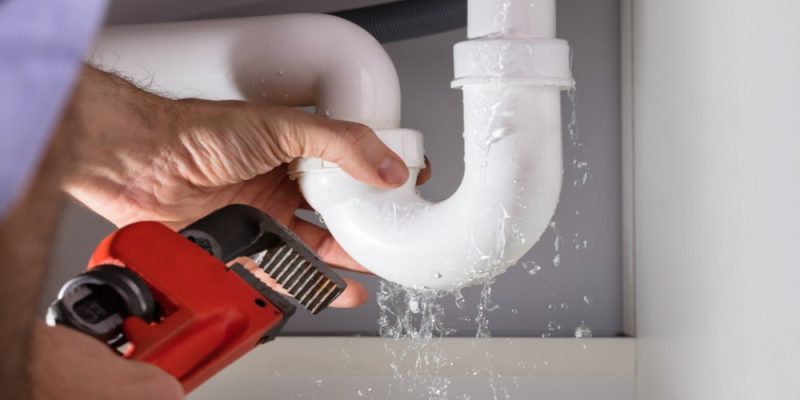
Most water damage does not start with a bang. No burst pipe, no visible flood, no obvious moment where something clearly went wrong. It starts behind a wall, under a floor, or deep beneath a concrete slab – and it stays there, quietly doing damage until the signs become impossible to ignore. By that point, the repair is rarely simple. That slow, hidden pattern is exactly why water leak detection services have grown into something that careful property owners treat as routine maintenance rather than a last resort.
Slabs Keep Secrets
Concrete slab construction is common across much of Australia, and it has a particular relationship with pipe leaks that most homeowners never fully appreciate. Supply lines and drain pipes often run directly through or beneath the slab. When one develops a fault, the water does not pool somewhere obvious. It moves sideways, soaks into the sand bed underneath, and sometimes travels quite a distance from where the break actually is. The surface signs – a damp patch, a cracked tile, a faint salt bloom on the edge of the slab – can appear well away from the source. Chasing that origin without proper equipment is guesswork. Acoustic listening tools detect the sound of pressurised water escaping through compromised pipes before any of those surface signs show up, which means the repair stays contained to what actually needs fixing.
Pool Leaks Are Regularly Misread
Evaporation takes the blame for almost every unexplained drop in pool water level. Sometimes that blame is fair. But there is a straightforward way to tell the difference – place a bucket of water at the pool’s edge, mark both levels, and leave them alone for a day. If the pool drops further than the bucket, evaporation is not the full story. Professional water leak detection services use pressure testing on return lines, skimmer boxes, and light fittings to find where the water is actually going. A slow structural pool leak is also not just a water loss issue. Over time, it saturates the surrounding soil, softens the ground under paving, and can undermine retaining walls and garden structures. The water bill is often the least of it.
Strata Disputes Live and Die on Evidence
Apartment buildings and townhouse complexes turn leak investigations into something more complicated than a simple repair job. When water travels from one lot into another, the question of origin becomes a legal and financial matter fairly quickly. Bodies corporate, lot owners, and insurers rarely agree on responsibility without documentation. A proper detection report – one that identifies the source, describes how the fault was found, and outlines the likely path of water movement – gives everyone a factual basis to work from. Without it, the conversation tends to go in circles. Many strata managers now treat detection reports as a prerequisite before any insurance claim goes forward, because claim assessors have seen too many disputes built on nothing but assumption.
Pressure Behaviour Is Worth Watching
Water pressure in a healthy plumbing system holds steady when nothing is running. When it does not – when it bleeds off slowly through the night or drops the moment all taps are closed – something is escaping somewhere. Experienced technicians read these pressure patterns before touching anything else. Isolating the system section by section, closing off zones and watching what the pressure does, narrows the fault down methodically. It is not dramatic work. But it is precise, and it often identifies the problem area before a single wall is touched. That matters because unnecessary access work creates its own cost and inconvenience.
A Report Should Actually Mean Something
Not all leak detection reports are written equally. A useful one goes well past marking a spot on a floor plan. It records the method used, the specific readings taken, photographs of each finding, and a clear distinction between confirmed faults and areas that need monitoring. If it includes remediation suggestions, those suggestions should be specific enough to be actionable – not generic notes that leave a builder or a body corporate none the wiser. The quality of the report matters most when it is being reviewed months later by someone who was not there, trying to make a decision about cost, responsibility, or whether a repair actually resolved the issue.
Conclusion
Water damage earns its reputation not by moving fast but by moving without being seen. Properties do not signal a developing problem loudly – they absorb it quietly until the evidence becomes unavoidable. Calling in water leak detection services before things reach that point is not about being overcautious. It is about understanding what these faults actually do and choosing to stay ahead of them. The tools available today can find what was genuinely undetectable not long ago. Using them early keeps a fixable problem from becoming a structural one, and it keeps the kind of repair bill that derails a renovation budget firmly off the table.





Comments