
 By
By 
The math on moving in south-central Idaho has shifted in ways that have a lot of homeowners rethinking their options. For years, the conventional path was simple: outgrow the house, sell, buy something bigger. In the Magic Valley and the communities surrounding Burley, that path has gotten considerably more complicated. Inventory is thin, competition for move-in-ready homes is real, and the prices that seemed high two years ago look modest compared to what is listing now. Element Restoration and building contractors across the region are hearing the same thing from homeowners who initially came in looking for advice: they need more space, they like where they live, and they are not sure moving actually solves their problem anymore.
For a specific category of homeowner, building an addition is not just a reasonable alternative to moving. It is the better financial decision. Understanding when that is true, what additions typically cost in rural Idaho, and what the process actually looks like helps families make a clear-headed comparison rather than an emotional one.
What the Magic Valley Housing Market Is Actually Doing
South-central Idaho is not a market that shows up in national housing trend coverage, but local conditions have followed patterns familiar across the rural West. Median home prices in Cassia County and Twin Falls County have climbed significantly since 2020, driven by a combination of out-of-state buyers, limited new construction, and population growth in communities like Twin Falls that has rippled outward into smaller surrounding towns.
For a homeowner in Burley, Rupert, Paul, or Heyburn who has been in their home for more than five years, that appreciation is a meaningful asset. The property they bought for $180,000 may now appraise for $280,000 or more. But that same appreciation applies to everything they might buy. Stepping up from a three-bedroom to a four-bedroom in the same town requires paying market prices for a property someone else improved, often without knowing its full history. And if that larger home needs work, the buyer is absorbing the update costs on top of an already elevated purchase price.
An addition, by contrast, builds equity directly into a property they already own, already know, and already hold at a cost basis that was established before prices climbed. The transaction costs of selling and buying, real estate commissions, title fees, loan origination, and moving expenses, typically run between five and ten percent of the transaction value. On a home selling at $280,000 and a replacement at $350,000, those costs can easily reach $30,000 before a single improvement is made.
What a Well-Planned Addition Actually Delivers
The most requested addition type in rural Idaho families tends to be straightforward: a bedroom, a bathroom, or both. A family that has outgrown a three-bedroom home with one bath is not looking for a design statement. They are looking for a functional space that integrates cleanly into the existing structure without making the home feel patched together.
A properly designed single-story addition in south-central Idaho, built to match the existing roofline and siding, can add 300 to 500 square feet for a fraction of what the same square footage would cost in a replacement home. The specific number depends on the complexity of the tie-in, what is being added, and the finishes specified, but the per-square-foot cost of purpose-built addition space is consistently lower than the per-square-foot cost of buying finished space in the current market.
Primary suite additions are among the highest-return projects in rural markets. A master bedroom with a private bathroom added to a home that previously had only shared bathrooms changes how the property functions daily and significantly improves its appeal to future buyers. In a thin inventory market, a home with that feature commands more than the cost of the addition in many cases.
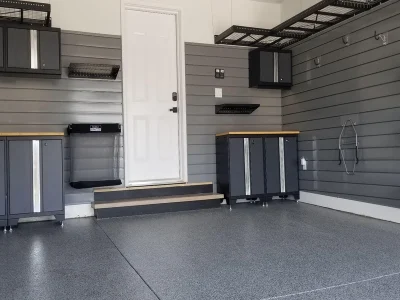
Garage additions are another category worth examining in Idaho specifically. A detached or attached garage in a rural agricultural community is not a luxury item. It is functional infrastructure for storing vehicles, equipment, and materials through harsh Magic Valley winters. Homes without adequate covered storage sell at a discount in this market. Adding a two-car garage can recover close to its full cost in appraised value while delivering immediate utility.
What to Think Through Before Committing to an Addition
Not every property and not every situation is the right fit for an addition. There are a few questions worth working through before the conversation with a contractor begins.
Lot coverage and setbacks are the first practical constraint. Most residential parcels in Idaho municipalities have setback requirements that dictate how close to the property line a structure can be built. Rural parcels on larger lots tend to have more flexibility, but even acreage properties in unincorporated Cassia County have requirements worth confirming before assuming there is room to build. A contractor familiar with local permit requirements can pull the parcel details and confirm what is allowable before any design work begins.
Foundation and structural compatibility matters for additions that attach to the existing structure. Older homes in the Burley area, particularly those built in the 1960s and 1970s, sometimes have foundation or framing conditions that affect how an addition ties in. A good contractor will assess this during the estimate phase rather than discovering it mid-project. This is not a reason to avoid an addition, but it is a reason to have the conversation early and get an accurate number before committing.
Over-improving for the neighborhood is a legitimate concern in some contexts. If a home is already at or near the top of the price range for comparable properties on the same street, a large addition may add living quality without adding proportional market value. In most south-central Idaho communities, however, there is still enough upside room in property values that this risk is limited for modest additions on properties that are currently below the neighborhood ceiling.
What the Permit and Build Timeline Actually Looks Like in Idaho
Residential addition permits in Cassia County and surrounding jurisdictions are typically straightforward compared to urban markets. Building departments in smaller Idaho communities process permits more quickly than metropolitan areas, and inspections are generally easier to schedule. A simple addition with no significant structural complexity can move from permit application to completed inspection in a timeframe that would surprise anyone familiar with Front Range or Treasure Valley permit timelines.
The build timeline for a 400 to 600 square foot addition, from breaking ground to finishing work, is typically eight to sixteen weeks depending on the scope and the current workload of the crew. Weather is a real variable in Idaho winters, and projects that begin framing in November are working against a shorter window of favorable conditions. Early spring through fall is the most predictable window for exterior work. Interior finishing can continue through any season.
Element Restoration and Building Serves Homeowners Across South-Central Idaho
The decision between adding on and moving up is worth making with actual numbers rather than assumptions. What an addition costs on your specific property, what it would add in appraised value, and how it compares to what you would actually pay to move into a home with the space you need are all questions that have concrete answers once someone walks the property and understands the scope.
Element Restoration serves homeowners throughout Burley, Twin Falls, Rupert, Heyburn, Paul, Minidoka, Gooding, Jerome, and the surrounding communities within a 100-mile radius. Whether the project is a bedroom addition, a primary suite, a garage, or a full new construction build, the team brings local experience with Idaho permitting, local material suppliers, and the specific construction conditions of this region. Reach out through elementbuilding.net to start a conversation about what your property can realistically support and what the numbers actually look like for your situation.




Comments