
 By
By 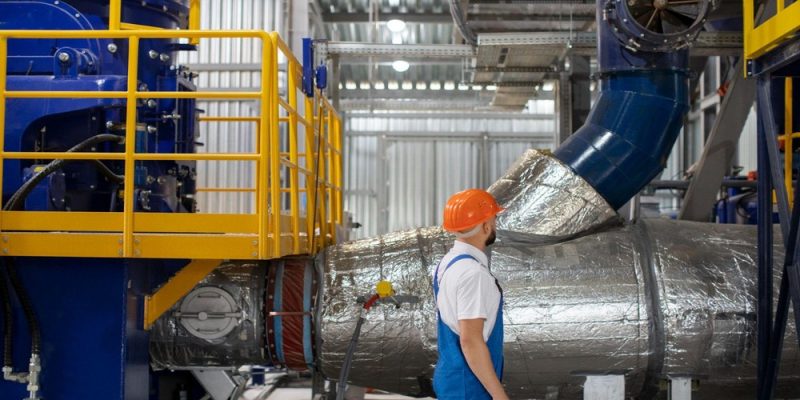
Key Takeaways
- Flexible covers reduce downtime during routine inspections compared to traditional fixed cladding.
- High-temperature thermal management can coexist with robust Passive Fire Protection (PFP).
- Reusable materials outperform one-time-use alternatives in high-intensity industrial environments.
- Simple adjustments in insulation choice can lead to a more streamlined and safer operational environment.
Introduction
The line between safety and efficiency is narrower than one might think. For facilities dealing with high-heat pipelines, valves, or critical actuators, the choice of insulation is a defining factor in both daily productivity and long-term asset integrity. The shift toward an easily removable insulation blanket has become a cornerstone of smart facility management. By providing a high-performance thermal barrier that can be unstrapped in minutes, these solutions address the biological need for human efficiency while maintaining the technical standards required for heat retention and personnel protection.
The Engineering Logic of Flexible Thermal Barriers
The fundamental purpose of any insulation system is to manage energy. This means preventing heat loss to maintain process efficiency or keeping the exterior surface cool enough to prevent contact burns. An easily removable insulation blanket achieves this through a multi-layered construction. What sets these apart from fixed systems is the closing mechanism that allows a technician to access a valve or flange without requiring specialised tools or an insulation contractor.
Beyond simple heat retention, these blankets play a crucial role in preventing Corrosion Under Insulation (CUI). CUI is one of the most persistent and expensive problems in heavy industry, often caused by water getting trapped between traditional metal cladding and the pipe. By choosing a system that facilitates frequent checks, facility managers are investing in a more resilient infrastructure that avoids the catastrophic costs of unexpected leaks or pipe failures.
Improving Your Workflow Effortlessly
By utilising an easily removable insulation blanket, the maintenance team gains total autonomy. If a valve needs a minor adjustment, the technician unfastens the blanket, performs the task, and reapplies the insulation immediately. This allows the facility to return to full operational capacity much faster. This efficiency is about saving time and reducing the complexity of project management during high-pressure turnaround periods.
This effortless workflow extends to the lifecycle of the insulation itself. High-quality removable covers are designed for hundreds of cycles. This reusability changes the financial narrative from a recurring expense to a capital asset. When a team knows they can access their equipment without destroying the protective layer, they are more likely to perform the small, preventative checks that keep a system running smoothly.
The Critical Guard for High-Risk Zones
In high-risk environments, the standard thermal blanket is not enough. This is where removable PFP insulation withstands extreme temperatures for a specified duration, usually 30, 60, or 120 minutes. The primary goal is to protect the integrity of the Emergency Shutdown Valve (ESV) or the actuator. If these components fail prematurely during a fire, the fuel source remains open, turning a manageable incident into a disaster. A removable PFP jacket allows for these tests to be conducted without compromising the fire-rated seal.
The technology behind removable PFP insulation involves complex materials that actively resist the erosive force of high-pressure flames. Despite this high-performance requirement, modern designs remain surprisingly lightweight and flexible. By providing a tailored, snug fit, these jackets ensure there are no chimney effects or gaps where heat could bypass the protection.
Strategic Resilience and Long-Term Value
Investing in flexible insulation systems is a move toward strategic resilience. Valves and flanges are often left uninsulated in traditional setups because they are too difficult to wrap. However, an uninsulated valve can lose the heat equivalent of several meters of uninsulated pipe. By using an easily removable insulation blanket on every component, a facility can significantly reduce its carbon footprint and energy costs.
Furthermore, the adaptability of these systems allows them to evolve with the facility. If a pipeline is modified or a valve is replaced with a different model, a flexible jacket can be adjusted or repurposed more easily than a custom-cut piece of metal cladding. Ultimately, the decision to use removable PFP insulation and thermal blankets reflects the ease of maintenance as a prerequisite for a truly safe and efficient operation.
Conclusion
Optimising an industrial facility is a balancing act between robust protection and operational speed. The adoption of an easily removable insulation blanket serves as a vital bridge for high-performance thermal management. Simultaneously, the strategic use of removable PFP insulation ensures that critical safety components are protected against fire. By removing the friction from maintenance workflows and treating insulation as a reusable asset, companies can reduce downtime, lower energy costs, and improve the safety of their personnel. The smartest protection is the one that stays out of the way until it is needed most.
Is your facility currently losing energy through uninsulated valves? Enquire at Ancloz Engineering and identify your highest-return opportunities for insulation upgrades today.









Comments