
 By
By 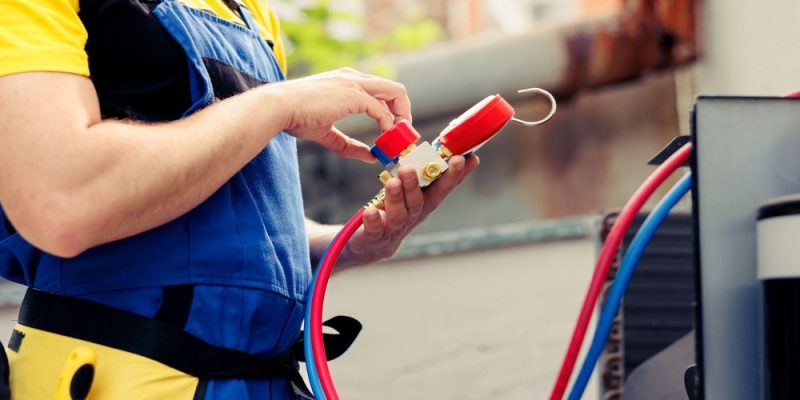
Key Takeaways
- Refrigerant moves heat out of a room, so correct pressure keeps the air conditioner cooling smoothly.
- A gas top-up restores refrigerant levels when pressure drops and cooling begins to weaken.
- Air conditioners run as sealed systems, so frequent refills usually hint at a small leak.
- Pressure checks and inspections help technicians decide if a top-up is actually necessary.
Introduction
Confusion pops up quickly when people hear the phrase “gas top-up” during air-conditioner servicing, and thoughts drift toward petrol stations or refilling something that has run dry. Air conditioners work differently because cooling relies on refrigerant moving through a closed loop of pipes that carries heat out of the room while circulating through the system. Guidance usually centres on checking refrigerant pressure and confirming that the system still holds the correct level, which helps you recognise when servicing may actually be needed, according to an aircon company in Singapore.
How Refrigerant Works Inside an Air Conditioner
The Cooling Cycle That Keeps Rooms Comfortable
Heat removal sits at the centre of air-conditioning. Warm air travels across an indoor coil while refrigerant circulates through pipes connected to the compressor and condenser. Heat transfers into the refrigerant and moves outdoors while cooled air returns to the room. During servicing, technicians may recommend an aircon gas top-up in Singapore when pressure readings show that refrigerant levels sit below the recommended range.
Cooling depends on balanced pressure and steady circulation. When refrigerant becomes low, the system struggles to remove heat effectively. Air may still flow from the unit, yet the cooling effect feels weak or uneven. Checking refrigerant pressure gives technicians a clear signal about the system’s condition.
Why Refrigerant Normally Stays in the System
Air conditioners function as sealed systems. Refrigerant circulates continuously through pipes, coils, and the compressor. Because the loop stays closed, refrigerant does not disappear during normal operation. A leak inspection usually begins the process when low pressure appears during maintenance, as any experienced aircon company in Singapore will point out.
Tiny pipe joints, connection points, or worn seals sometimes release small amounts of refrigerant. Pressure drops gradually when that happens. Gas top-ups restore the correct level, yet locating the leak remains part of responsible servicing. Addressing the cause helps maintain reliable cooling.
What Technicians Actually Do During a Gas Top-Up
Pressure Testing and System Inspection
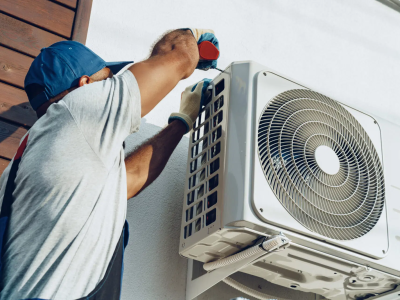
Service visits start with measurement tools connected to the outdoor unit. Gauges display refrigerant pressure and help technicians decide whether adjustments are necessary. When readings show a deficit, the technician performs an aircon gas top-up in Singapore by adding refrigerant through a service valve linked to the system.
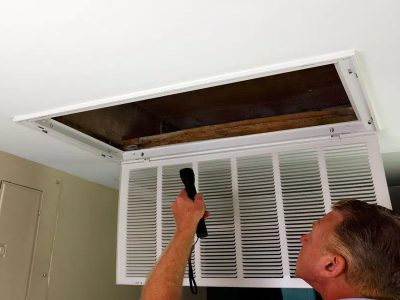
Inspection continues during the process as technicians observe pressure readings, examine pipe connections, and watch for signs that refrigerant may be escaping from joints or valves. Pipe joints, insulation, and valves receive a quick check for signs of leakage or wear. That routine keeps the cooling cycle balanced and reduces future interruptions. The task resembles topping up engine oil after confirming that levels have dropped.
Restoring Balanced Cooling Performance
Cooling efficiency depends on proper refrigerant circulation because the fluid must move smoothly through the compressor, coils, and pipes in order to carry heat away from the room. Pressure that falls outside the normal range interrupts heat transfer and forces the compressor to work harder. Once measurements confirm that refrigerant levels require adjustment, a top-up may be recommended by an aircon company in Singapore.
Balanced pressure helps the system move heat out of the room effectively. Cooling returns to its normal pattern once the refrigerant quantity matches the manufacturer’s specification. Servicing keeps the cycle running smoothly without unnecessary strain on components.
Signs That Refrigerant Levels Might Be Low
Weak Cooling or Longer Running Time
Reduced cooling frequently triggers questions about system health. Airflow still appears strong, yet the temperature refuses to drop as expected. Under those circumstances, technicians sometimes check refrigerant pressure and carry out an aircon gas top-up in Singapore if measurements confirm a shortage.
Longer running cycles provide another clue. The unit continues operating without reaching the desired temperature. That situation signals that heat removal has slowed, which may relate to refrigerant imbalance.
Ice Formation Around the Indoor Coil
Ice around the evaporator coil occasionally signals low refrigerant pressure. Cooling coils become too cold when the system struggles to circulate refrigerant correctly. Frost builds along the metal surface and restricts airflow through the unit.
During servicing, technicians inspect the coil and pressure readings before recommending any adjustment. Careful evaluation ensures that the issue receives proper attention instead of quick guesses.
Conclusion
Understanding the meaning behind a gas top-up removes the mystery from routine air-conditioning care and helps you make sense of what technicians actually check during servicing. Refrigerant keeps the cooling cycle moving, and pressure checks confirm whether the system operates at the right level so cooling can continue without interruption. Clear information helps you recognise when maintenance might be needed and how technicians restore balanced cooling performance through careful inspection and proper refrigerant adjustment.
Contact Airple today to learn how professional servicing keeps your air conditioner operating smoothly and helps maintain comfortable indoor temperatures throughout the year.






Comments