
 By
By 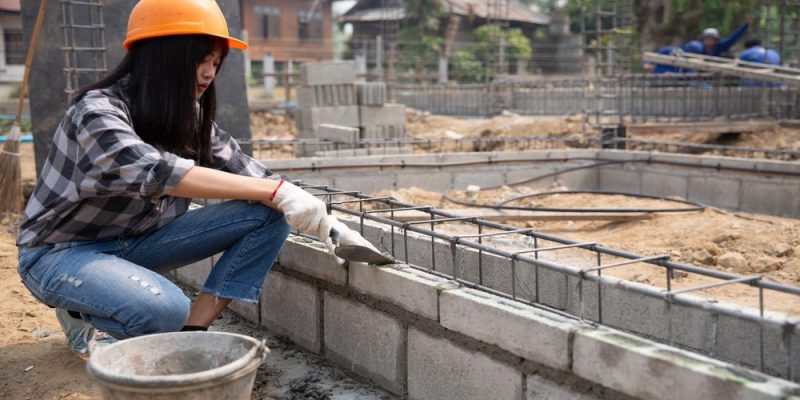
Key Highlights
- Concrete blocks offer superior speed of construction and cost-effectiveness for large-scale structural walls.
- Clay bricks provide a classic aesthetic and excellent thermal mass but require more intensive labour and time.
- Natural stone delivers unmatched durability and prestige, though it demands a significantly higher budget and specialist masonry skills.
- Partnering with a reliable building materials supplier ensures consistent product quality and timely logistical support for your site.
Introduction
Choosing the skeleton of your building is arguably the most permanent decision you will ever make during the construction process because, unlike a coat of paint or a kitchen worktop, the structural core cannot be easily swapped out later. Most developers and homeowners find themselves caught in a tug-of-war between the utilitarian efficiency of concrete blocks and the traditional charm of alternative masonry like red clay bricks or natural stone.
Your choice essentially dictates the thermal performance, sound insulation, and overall longevity of the edifice, so it pays to look beyond the initial price per unit and consider the long-term operational costs of the finished space. Navigating these options requires a clear-eyed look at your project goals while leaning on the expertise of an established building materials supplier to ensure that what you see on the architectural drawing actually translates to a robust reality.
1. The Dominance of Concrete Blocks in Modern Engineering
When it comes to pure structural versatility, concrete blocks have become the industry standard for everything from high-rise commercial developments to simple garden retaining walls. These units are manufactured with precision, offering a uniform shape that allows for rapid laying and a significantly lower consumption of mortar compared to smaller, irregular bricks. Because they are often hollow, they provide an excellent opportunity for steel reinforcement and grout filling, which creates a wall capable of withstanding immense vertical and lateral loads.
If you are working on a tight schedule, your building materials supplier will likely recommend these blocks because their sheer size means you can cover more square metres in a single afternoon than with almost any other masonry type.
2. Comparing the Classic Appeal of Clay Bricks
While concrete blocks win the prize for speed, clay bricks still hold a special place in the hearts of those looking for a timeless, maintenance-free exterior finish. Bricks are smaller and heavier, which naturally slows down the construction pace but offers a level of intricate detail and textural variety that precast concrete struggles to replicate.
They possess a high thermal mass, meaning they absorb heat during the peak of our tropical sun and release it slowly as the temperature drops, which can lead to a more stable indoor climate if designed correctly. However, you must account for the higher labour costs involved in bricklaying, as finding skilled masons who can achieve a perfect finish is becoming increasingly challenging in the local market.
3. The Luxury and Longevity of Natural Stone
For those projects where budget is secondary to prestige and an organic aesthetic, natural stone remains the gold standard of masonry materials. Stone offers a unique character where no two units are identical, providing a sense of permanence and history that neither brick nor concrete blocks can truly emulate. It is incredibly resistant to the elements, shrugging off the heavy rainfall of Singapore without the need for additional waterproofing or cladding.
The downside is the logistical complexity, as stone is heavy, difficult to cut on-site, and requires a very specific type of building materials supplier who can source consistent batches from reputable quarries to avoid unsightly variations in colour and texture.
4. Weighing Cost against Performance Metrics
Deciding which material works best involves a calculated trade-off between the speed of installation and the desired aesthetic outcome for the final facade. Concrete blocks are undeniably the most economical choice when you consider the reduction in labour hours and the simplified structural engineering required for the foundations.
However, if your project demands a high-end residential feel, you might choose to use these blocks for the load-bearing internal walls while opting for a brick or stone veneer on the exterior. Working closely with a versatile building materials supplier allows you to mix and match these mediums, ensuring that you get the structural benefits of modern manufacturing without sacrificing the visual appeal of traditional masonry.
Conclusion
Ultimately, the best material is the one that aligns with your specific structural needs, local building codes, and aesthetic aspirations. While concrete blocks provide the most efficient and cost-effective path for the majority of urban builds, the niche benefits of brick and stone still offer value for bespoke designs. Success in any construction venture starts with the quality of the raw components delivered to your site, making your choice of partner just as important as the materials themselves.
Ready to start your next construction project with high-grade materials that stand the test of time? Contact Chi Han Trading today for a reputable building materials supplier in Singapore that delivers quality straight to your site!










Comments