
 By
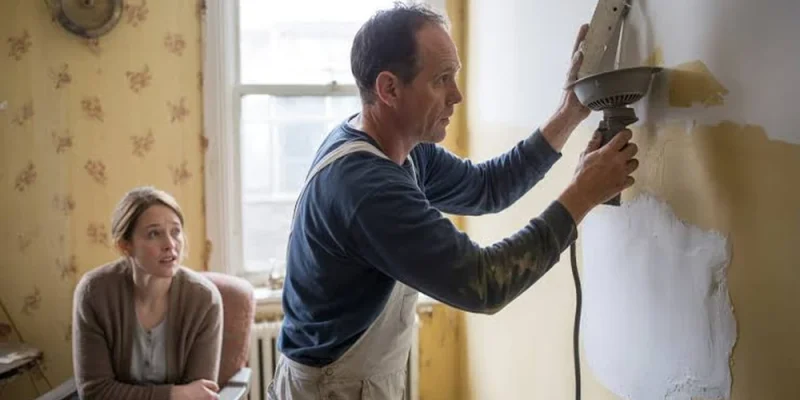
Discovering evidence of damp and condensation in your Merseyside home can be as unnerving as finding a leak in a sinking ship. It’s a sneaky issue that can wreak havoc on your property if left unchecked. Many homeowners jump at the offer of a free damp survey, thinking they’ve struck gold. But is that really the case? Before you dive headfirst into the allure of “free,” let’s peel back the layers and uncover what these surveys truly entail.
Why choosing a free damp survey can be problematic?
Is the promise of a free damp survey too good to be true, or is there a hidden agenda lurking beneath the surface?
Points to consider
- Understanding the true purpose of a damp survey is crucial for homeowners
- Identifying common signs of damp can prevent future structural and health issues
- Different types of damp surveys and damp surveyors cater to different needs and properties
- Free damp surveys often come with hidden costs and motivations
- Informed decisions require understanding the survey process and potential pitfalls
- Damp survey costs to fix damp and black mould can considerably effect your property value
Understanding the Basics of a Damp Survey
Grasping the fundamentals of a damp survey can save you a lot of headaches down the line. Essentially, these surveys aim to identify moisture issues within your home. Surveyors, armed with specialised equipment, delve into every nook and cranny to detect signs of dampness.
They provide a detailed assessment of any potential damage caused by excess moisture, giving you an essential overview of your property’s health. Knowing these basics helps you make informed choices about your home.
A damp survey is not just about spotting obvious water stains or mould patches. It digs deeper, literally and figuratively, to uncover underlying issues.
You might notice musty odours, peeling wallpaper, or discoloured walls-all tell-tale signs of moisture problems. Mould growth, a more severe indicator, can spell trouble for both your property and health. Recognising these signs of damp early on is key to addressing potentially costly repairs.
Why Damp Surveys Matter for Homeowners
Damp isn’t just an eyesore; it can compromise your home’s structural integrity over time. The presence of moisture can weaken the very foundation of your property, leading to cracks and other serious issues.
Addressing these persistent damp problems early on can save you from shelling out for costly repairs in the future. A comprehensive damp survey offers peace of mind by safeguarding your property’s longevity.
Moreover, the health implications of living in a damp environment shouldn’t be underestimated. Excess moisture can lead to poor indoor air quality, exacerbating allergies and respiratory problems.
Mould, a common byproduct of damp, is notorious for triggering such health issues. Ensuring your home is free from damp not only protects your property but also promotes a healthier living environment for you and your family. Identifying damp issues early on is crucial in maintaining a healthy home.
Types of Damp Surveys Available Across Merseyside
When it comes to damp surveys, one size doesn’t fit all. Homeowners can choose from several types of surveys, each offering different levels of insight. A basic damp inspection might be suitable for surface-level moisture detection, but a full building survey provides a more comprehensive analysis, including structural impacts.
Specialist surveys, on the other hand, address unique damp concerns and offer targeted solutions. Each type provides unique insights into damp problems, allowing you to tailor your approach to your property’s specific needs.
Understanding the scope of each survey is vital. Basic inspections cover immediate, visible signs of damp, while full surveys delve into the structural ramifications. Specialist surveys often tackle complex scenarios, such as timber decay or wet rot. As a homeowner, choosing the right survey involves weighing your property’s needs against the expertise each survey offers. Consulting a qualified surveyor can help guide your decision, ensuring you opt for the most appropriate type of damp survey.
Why Free Damp Surveys Aren’t Always Free
The allure of a free damp survey can be tempting, but it’s important to tread carefully. Often, what seems free initially may come with hidden charges. Companies may offer these surveys as a way to draw in customers, only to upsell unnecessary services after the fact. Before scheduling, scrutinise what “free” really means and clarify any potential costs involved. Always be wary of offers that seem too good to be true.
Questioning the motivations behind free surveys is equally critical. Companies often use these as marketing tools to gain access to potential customers. While the survey itself may carry no upfront cost, the goal may be to sell you additional services or treatments.
Transparency is key here; understanding the intent behind these offers can help you make informed decisions about whether a free survey is truly in your best interest.
Hidden Costs to Watch Out For
Hidden costs can quickly turn a seemingly free service into a financial burden. It’s not uncommon for companies to tack on additional fees for detailed reports or follow-up appointments. Some even charge for recommended treatments, transforming a free survey into an expensive ordeal. Being aware of these potential charges can prevent unexpected financial strain and help you plan your budget effectively.
Understanding the financial implications of hidden costs is crucial. Surprise fees can lead to budgetary headaches if you’re not prepared. Clarifying costs upfront ensures you aren’t blindsided by additional expenses. Knowledge of these hidden charges aids in financial planning, allowing you to address damp issues without breaking the bank. Remember, a well-informed homeowner is a savvy homeowner.
The Fine Print: What’s Included and What’s Not
Decoding the details of survey offers is all about reading the fine print. Many offers exclude crucial checks, only covering basic assessments. As a homeowner, it’s vital to verify what’s explicitly included in the survey to avoid any nasty surprises. This understanding not only ensures you get what you pay for but also provides a comprehensive overview of your property’s condition.
Clarifying the scope of services provided is another important step. Surveyors often list what their services encompass, but it’s up to you to ask about any limitations. Understanding these boundaries can prevent misunderstandings and ensure a comprehensive evaluation of your property. Knowing the full scope aids in evaluating the survey offer accurately, enabling you to make confident decisions.
Common Misunderstandings About Free Surveys
Want an honest assessment and practical advice from your contractor? Then a free report ora free damp and timber survey simply isn’t the way to go.
Many homeowners mistakenly believe that free surveys are fully comprehensive. This misconception can lead to disappointment when the survey only scratches the surface. Furthermore, some assume that free surveys guarantee unbiased results, not realising the underlying motive is often to secure future business. Clarifying these misunderstandings is crucial for making informed decisions about your property.
Educating yourself on survey realities empowers you to make better choices. Free often implies limited, and understanding this can prevent frustration down the line. By recognising the limitations of free surveys, you can make more informed decisions, seeking out services that truly meet your needs and expectations. Knowledge is power, and in this case, it can save you both time and money.
Common Damp and Condensation Signs and How to Spot Them
Your damp specialist will carry out an independent survey Identifying the early signs of rising damp and pinpoint the source of moisture which can prevent worsening damp conditions and bigger problems later. Tide marks on walls, damp patches near skirting boards, and salty deposits are all indicators. Catching these early can save you from extensive repairs. Being vigilant about these common signs helps in the early detection and resolution of damp issues.
Penetrating damp presents a different set of symptoms, often related to external water ingress. Damp patches during heavy rain, damaged external walls, and visible water trails are key indicators. Recognising these signs allows you to address the issues promptly, preventing further damage to your property. Awareness of these common damp issues is your first line of defence against potentially costly repairs.
- Damp walls may also be down to defective rainwater goods or structural damage.
- Damp issues can occur at any time even if the property has been dry for years.
Condensation control is vital in any home, condensation on windows may not be down to serious damp issues, just fixable condensation issues.
The Role of an independent damp surveyor in Identifying mould growth and Damp issues in your home
Surveyors play a pivotal role in identifying damp. Their expertise allows them to spot subtle signs that might escape the untrained eye. Homeowners rely on these professionals for accurate assessments and valuable advice on damp prevention. A good surveyor not only identifies existing problems but also provides guidance on preventing future issues.
Trust in professional evaluations is essential. A surveyor’s experience offers reliable insights into your property’s condition. Their assessments provide a foundation for informed decisions, helping you address damp problems effectively. By trusting in their expertise, you ensure that you’re making the best choices for your home’s health and longevity.
What to Expect During a Survey
Preparing for a surveyor’s visit can help ensure a smooth process. Surveyors typically inspect both the interior and exterior of your home, so clearing areas for thorough assessment is beneficial. They often use moisture meters and other tools during inspections to gather accurate data. Being prepared allows the survey to proceed efficiently, giving you the best results.
Understanding the survey procedure demystifies the process. Surveyors conduct visual examinations of affected areas, providing explanations of their findings as they go. They may also take photographs for documentation purposes. Knowing what to expect helps you anticipate the process, making it less daunting and more informative.
Popular Damp Proofing Methods
Exploring effective damp solutions is crucial for maintaining your property’s health. Chemical damp proof courses offer long-lasting protection against rising damp, while tanking is ideal for severe issues, such as in basements. Damp proof membranes act as a physical barrier against moisture. Evaluating these solutions helps you choose the right method for your property.
Understanding the benefits of each method aids in decision-making. Chemical courses are particularly effective for rising damp, while tanking prevents water ingress in below-ground areas. Membranes offer versatile protection, suitable for various applications. Each method provides unique advantages, ensuring comprehensive damp control for your home.
Choosing the Right Merseyside Damp Proofing Company
Evaluating your property’s specific needs is the first step in choosing the right damp proofing method. Consider your property’s unique characteristics and the severity of the damp issues. Professional advice can guide you in selecting the most appropriate solution, ensuring effective protection. Tailored solutions are key to successful damp proofing.
Weighing cost against benefits is another important consideration. While some methods may be more expensive initially, their effectiveness and longevity often justify the cost. Balancing expense with effectiveness allows you to make informed choices, leading to satisfactory outcomes for your property’s damp proofing needs.
Essential Inquiries Before a Damp Survey
Asking key questions to survey providers ensures you’re fully informed. Inquire about the surveyor’s qualifications and the scope of the survey. Clarifying potential costs upfront prevents financial surprises. These essential inquiries help you make a well-informed decision about the survey.
Understanding the surveyor’s recommendations is also crucial. Ask for explanations of all findings and request detailed reports to aid comprehension. Clarity in recommendations allows you to take appropriate steps in addressing any identified issues. A thorough understanding of the survey results empowers you to make informed decisions about your property.
In conclusion, while the allure of a free damp survey can be enticing, it’s essential to look beyond the surface. Understanding the intricacies of damp surveys, from potential hidden costs to the role of a surveyor, empowers you to make informed decisions that protect both your property and your health. By staying informed and asking the right questions, you can navigate the complex world of damp surveys with confidence.
So, what’s your take on free damp surveys? Are they a boon or a bane for homeowners? Let’s start a conversation!
Frequently Asked Questions
Should you pay for a damp survey?
Paying for a damp survey can be wise, especially if you’re considering buying a new property. While free surveys may be tempting, they often come with a catch, like upselling unnecessary services. A paid survey usually provides a more thorough and unbiased assessment of any damp issues. Investing in a professional survey can save you money and headaches down the line, ensuring you have a complete understanding of the property’s condition.
What are red flags on a house survey?
Red flags in a house survey could indicate potential issues that might need urgent attention. Common ones include excessive dampness, cold surfaces, structural cracks, or signs of subsidence. Other warning signs are mould growth, poor ventilation, and blocked drainage systems. Spotting these red flags early can help you make informed decisions, whether it’s negotiating the price or deciding to walk away from the purchase altogether.
What percentage of damp or moisture is acceptable in a house?
In most homes, a moisture level of up to 15% is generally considered acceptable. Higher levels could indicate a damp problem that might require professional attention. Regular monitoring can help maintain healthy moisture levels, ensuring a comfortable living environment. If you’re unsure about the damp levels in your home, a professional survey can provide clarity and recommend actions to prevent long-term damage.
Who pays for a damp survey, buyer or seller?
Typically, the buyer arranges and pays for a damp surveyor and a damp survey report or homebuyer report as part of their due diligence. However, in some cases, the seller might offer to cover the cost, especially if they wish to expedite the sale. It’s crucial for both parties to understand the property’s condition, so discussing who pays for the survey early in the negotiation process can avoid misunderstandings later on. There may alse be the occassion where a damp survey report is needed for a mortgage valuation, especially in areas where many houses are prone to damp walls or have high rates of ground moisture.






Comments