
 By
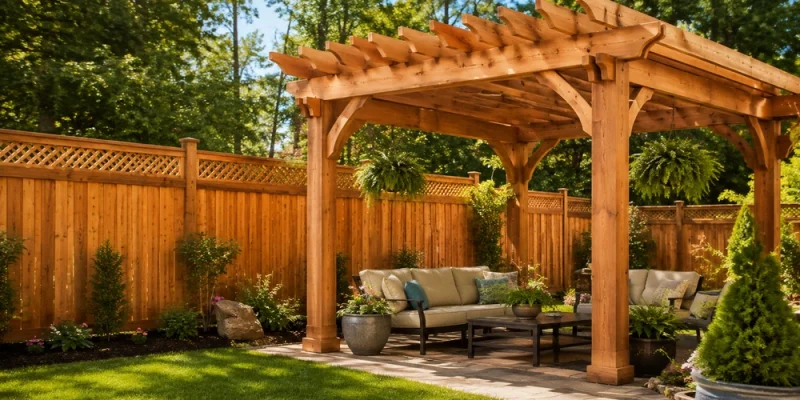
Because the wood is resistant to insects, rust, and decay thanks to natural resins and oils, CEDAR is a lightweight, sustainable material with a lovely aroma. Cedar is therefore ideal for items that come into contact with soil and water, like:
When planning an outdoor structure, the choice of timber can influence both its appearance and long-term performance. cedar posts are a practical option for projects such as pergolas, fences, decks, and garden structures because cedar naturally offers resistance to moisture, insects, and decay. Available in different tones and sizes, cedar can also complement surrounding landscaping while providing the strength and visual warmth needed for a durable outdoor design.
- Fencing
- Siding for a house
- Docks and decking
- Outdoor showers
- Saunas
- Elevated garden beds
But how can you decide between Northern White cedar (also called Eastern White cedar) and Western Red cedar?
Aside from size and colour, where they grow is the most obvious distinction. You may lean toward Eastern White if you live in the Northeast or Western Red if you live in the West, if you want to make more local purchases for financial reasons, or if you are thinking about how your purchases will affect the climate.
Remarkable changes.
The reddish-colored Western red cedar grows from east to northwestern Montana and from southeast Alaska to northern California. Usually, these trees reach heights of 120 or even 150 feet. Nowadays, the tallest people are roughly 200 feet tall. The largest have a diameter of roughly 19 feet.
The light-yellow Northern White cedar grows in marshy regions and near bodies of water in New England, southern Canada, and the Midwest. With a trunk diameter of roughly two feet and a maximum height of approximately fifty feet, the Northern White is significantly smaller than the Western Red.
The two most noticeable differences between these two woods are color and size.
Shade. Which do you like better, the pale yellow of Northern White or the fiery color of Western Red? Both will eventually become what is known as Cape Cod gray if left untreated.
Dimension. Because Western Red cedar is a huge tree, greater portions are available. The decision is simple if your project calls for a longer or broader board.
Power. Compared to White cedar, Western Red cedar is slightly stronger and less prone to knotting. Eastern White cedar is still robust enough to fulfill the requirements of the majority of building projects, nonetheless.
Cluster. Clusters are more common in Eastern White cedar, which may or may not match your desired style.
Crude. Eastern white cedar produces oils that are significantly stronger and have a ten-year shelf life.
Expense, impact, and standard.
Expense, standard, and environmental impact are additional aspects to take into account. Eastern White is probably less expensive and more environmentally friendly for those of us on the East Coast.
Because quality varies from mill to mill, it might not be as simple. Preparation activities and methods vary depending on the application. Tracing your goods back to the original mill is a good idea, though. Once more, this is simpler when the mill isn’t located on the other side of the continent.




Comments