
 By
By 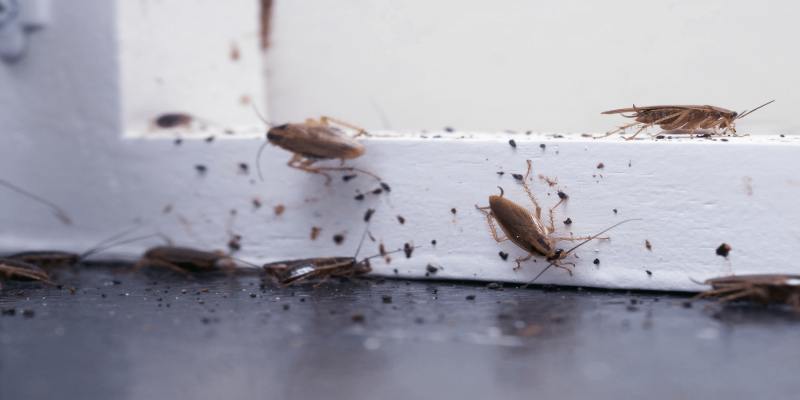
You turned on the kitchen light at midnight and something scurried across the counter. Or maybe you opened the cabinet under the bathroom sink and saw a roach freeze against the pipe. Either way, you’ve got roaches, and you want them gone. But before you grab a can of spray or call the first exterminator you find, there’s a question that matters more than most people realize: which roach are you dealing with? In southwest Riverside County, Lake Elsinore pest control calls for roaches split almost evenly between two species, German cockroaches and American cockroaches. They look different, they behave differently, they live in different parts of your home, and the treatment that eliminates one species won’t necessarily touch the other. Main Sail Pest Control treats both, but the approach for each is fundamentally distinct.
How to Tell Them Apart
German cockroaches are small. Adults are about half an inch to five-eighths of an inch long, light brown to tan, with two dark parallel stripes running down the plate behind their head. They have wings but don’t fly. If you’re finding small roaches inside your kitchen cabinets, around the dishwasher, behind the refrigerator, or under the sink, you’re almost certainly looking at German roaches.
American cockroaches are the big ones. Adults run one and a half to two inches long, reddish-brown, with a yellowish figure-eight pattern on the back of the head. They can fly, and they do, particularly on warm Riverside County evenings when they take short, clumsy flights toward porch lights or open doors. If a large roach ran across your garage floor or you found one in the bathtub after it climbed up through the drain, that’s likely an American roach.
The size difference alone is usually enough to tell them apart. A German roach is roughly the size of a penny. An American roach is roughly the size of your thumb. But the behavioral and biological differences between them are what really determine how each one needs to be treated.
German Roaches: An Indoor Infestation
German cockroaches are exclusively indoor pests. They don’t live outside. They don’t wander in from the yard. If you have German roaches in your Lake Elsinore home, they arrived on something you brought inside: a cardboard box, a grocery bag, a piece of used furniture, or an appliance. They’re also commonly transferred between apartments in multi-unit buildings through shared plumbing and wall voids.
Once inside, German roaches establish themselves in kitchens and bathrooms because they need warmth, moisture, and food in close proximity. They’re nocturnal and photophobic, spending daylight hours wedged into cracks, crevices, and voids near their food and water sources. The gap between your countertop and wall, the hinge mechanism inside your cabinet doors, the motor housing of your refrigerator, the rubber gasket around your dishwasher door: these are German roach harborage sites.
The reproductive rate is what makes German roaches a serious problem. A single female produces an egg case (ootheca) containing 30 to 40 eggs, and she can produce a new case roughly every six weeks. One pregnant female that hitched a ride in a grocery bag can generate thousands of offspring within a year. By the time you’re seeing German roaches regularly during the day, the population is typically large enough that they’re being pushed out of hiding by overcrowding.
Standard general pest control treatments, the kind that handle ants, spiders, and American roaches, don’t eliminate German roach infestations. The perimeter spray applied to baseboards and exterior walls doesn’t reach the cracks and crevices where German roaches actually live. This species requires targeted treatment using gel baits, insect growth regulators, and crack-and-crevice applications placed directly in harborage areas. It’s a precision job, and it usually requires at least two visits to break the reproductive cycle.
American Roaches: An Outdoor Pest That Wanders In
American cockroaches are primarily outdoor and subterranean insects. In Riverside County, they live in sewer systems, storm drains, planter beds, ground cover, and the moist areas around irrigation boxes and outdoor plumbing. They enter homes opportunistically, usually through gaps around pipes, under doors, through weep holes in exterior walls, or up through floor drains.
Finding one or two American roaches inside your house doesn’t necessarily mean you have an infestation in the traditional sense. It often means you have entry points that are allowing outdoor roaches to wander in. The population lives outside. The individuals you’re seeing inside are foragers that found a way in, often drawn by moisture or temperature differentials on hot summer nights.
This distinction matters because the treatment strategy is completely different. American roaches respond well to the same general perimeter pest control treatment that handles ants, spiders, and other common exterior pests. A residual product applied around the foundation, along entry points, in the garage, and near exterior plumbing creates a barrier that kills American roaches as they try to enter. Sealing obvious entry points like gaps under exterior doors, unscreened weep holes, and cracks around pipe penetrations further reduces intrusion.
For homes near storm drains, open lots, or older sewer infrastructure, which includes many neighborhoods in Lake Elsinore near the lakefront and in the older sections of Temecula and Wildomar, regular perimeter treatment on a monthly or bimonthly schedule keeps American roach intrusion manageable throughout the warmer months.
Why Misidentification Leads to Wasted Money
The reason this identification matters so much practically is that treating for the wrong species wastes both time and money.
If you have German roaches and your pest control company is only doing a general perimeter spray, the infestation will continue to grow. The roaches live inside, in the kitchen, not along the baseboards or at the exterior. You’ll keep paying for treatments that aren’t reaching the population.
Conversely, if an American roach wandered in through a floor drain and your pest company recommends an intensive interior German roach treatment, you’re paying for a level of service you don’t need. A perimeter treatment and some exclusion work would solve the actual problem at a fraction of the cost.
Main Sail Pest Control starts every roach call with an inspection and identification for exactly this reason. Knowing which species you’re dealing with determines the treatment plan, the products used, the number of visits required, and the cost. German roach treatments are classified as specialty pest control because of the intensity and specificity required. American roach management typically falls under general pest service.
Preventing Both Species in Riverside County
Some prevention measures help regardless of species. Keep trash in sealed containers. Don’t leave pet food out overnight. Fix leaking faucets and pipes that create moisture. Seal gaps around plumbing penetrations where pipes pass through walls.
For German roach prevention specifically, be cautious about what you bring into your home. Inspect cardboard boxes before bringing them inside. If you buy used appliances or furniture, check the crevices and motor housings before they cross your threshold. If you live in an apartment complex and a neighbor has German roaches, alert your property manager because the infestation will spread through shared walls if left unaddressed.
For American roach prevention, focus on exclusion. Install door sweeps on exterior doors, especially the garage entry door. Screen weep holes in exterior walls. Make sure floor drains have functioning traps, since a dry P-trap is an open highway from the sewer system into your bathroom.







Comments