
 By
By 
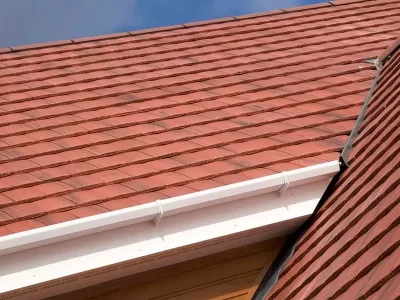
Many homeowners focus on roof tiles or shingles when thinking about roof maintenance, but the roofline deserves equal attention. Made up of elements such as fascias, soffits, bargeboards, and guttering, the roofline plays an essential role in protecting the structure of a home. Because these components are visible from ground level, they often provide early clues that the roof may require professional attention.
Recognising these warning signs early can help homeowners address developing issues before they affect the rest of the property.
Peeling Paint and Discoloured Roofline Boards
A roofline should maintain a consistent appearance throughout the year. When fascias or soffits begin showing peeling paint, staining, or discolouration, it may indicate prolonged exposure to moisture or ageing materials.
Although cosmetic wear is expected over time, widespread deterioration could suggest that water is no longer being directed away from the roof effectively. Keeping an eye on visible changes allows homeowners to identify problems before structural damage occurs.
Gutters That No Longer Sit Correctly
Gutters are designed to collect rainwater and move it safely away from the building. If sections begin to sag, pull away from the fascia, or appear uneven, they may no longer perform as intended.
Common warning signs include:
- Water spilling over gutter edges during rainfall
- Sections that appear loose or misaligned
- Visible gaps between gutters and roofline boards
- Fasteners working loose over time
Ignoring these issues may place unnecessary strain on other roofline components during periods of heavy rain.
Unwanted Visitors Around the Roof
Small openings in the roofline can create access points for birds, insects, and small animals seeking shelter.
Homeowners may notice:
- Birds regularly entering the same location beneath the roof
- Nesting materials appearing near soffits
- Increased insect activity around roof edges
- Unusual noises coming from the roof space
These signs can indicate that sections of the roofline are no longer fully sealed and may require professional assessment.
Damp Areas Appearing Indoors
Roofline problems don’t always remain outside. If water is unable to drain properly, moisture may eventually affect interior areas of the home.
Possible indicators include:
- Damp patches near the tops of walls
- Peeling wallpaper close to ceilings
- Persistent musty odours in upper rooms
- Mould forming near roof junctions
While these symptoms can have several causes, the roofline should always be considered as part of the investigation.
Visible Changes After Severe Weather
Strong winds and heavy rain can place additional stress on roofing components. After adverse weather, it’s worthwhile observing the roofline from ground level.
Look for:
Even if damage seems minor, addressing it promptly can prevent further deterioration during future weather events.
Knowing When Professional Advice Is Needed
Not every roofline issue requires extensive repairs, but recurring problems should not be overlooked. Small defects can gradually affect water management and expose other roofing components to unnecessary wear.
Homeowners interested in understanding available roofing solutions can explore new roof installation and roofline services https://roofing-dublin.ie/new-roof/ to learn more about the options available for different property types.
Experienced roofing specialists can assess visible roofline concerns alongside the condition of the wider roofing system, helping homeowners determine whether simple repairs or more comprehensive work is appropriate. Identifying early warning signs and responding before problems escalate is often the most effective way to protect both the roof and the property beneath it.








Comments