
 By
By 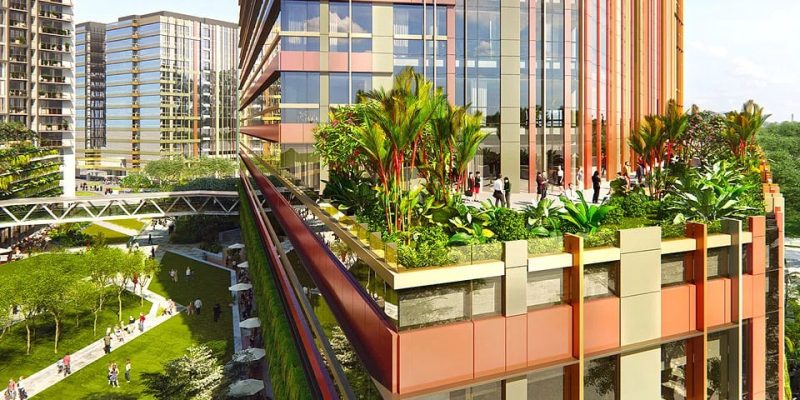
For years, living near Singapore’s central core was widely seen as the ultimate convenience—close to work, shopping, and cultural hubs. However, a subtle but significant shift is underway. Decentralisation is gaining momentum, driven by improved transport connectivity, evolving work arrangements, and a growing preference for balanced living.
Instead of being drawn to the city centre, many residents are choosing mature districts that offer a quieter environment, established amenities, and practical convenience. This shift is redefining residential desirability and challenging the assumption that centrality is the highest value.
The Changing Meaning of “Central”
Centrality used to be defined by proximity to the CBD. Today, it is increasingly defined by access to lifestyle, transport, and daily convenience—regardless of distance from the core.
With hybrid work and flexible schedules, residents no longer need to commute daily to the city. This has opened up possibilities for living in mature districts that provide a stronger balance of community, quiet, and accessibility.
Developments like Hudson Place Residences are part of this broader trend, where location value is assessed through a wider lens than centrality alone.
Transport Connectivity and the Rise of Secondary Hubs
Singapore’s transport network has improved accessibility across the island, making decentralised living more practical. MRT lines, bus networks, and improved road infrastructure have reduced the time cost of living outside the core.
This connectivity has supported the rise of secondary hubs, where residents can access employment centres, amenities, and lifestyle options without relying solely on the central business district.
As transport continues to improve, decentralised living becomes increasingly viable for a wider demographic.
Lifestyle Balance Over Urban Intensity
Many residents are choosing decentralised locations for lifestyle balance. Mature districts often offer more spacious environments, quieter streets, and established neighbourhood routines.
This is particularly attractive for families and older residents who value stability and calm. Decentralised living can also support more sustainable daily routines, as residents spend less time in transit and more time in their local communities.
Established Amenities and Predictable Living
Mature districts are attractive because they provide established amenities. Residents know what to expect: schools, parks, markets, healthcare, and lifestyle options are already present and functional.
This predictability is an important factor in long-term residential satisfaction. Rather than relying on future developments, residents benefit from a neighbourhood that already supports daily life.
Dunearn House, located within a mature residential corridor, exemplifies this type of stable living environment.
Value Beyond Hype
Central locations often carry a premium due to perceived prestige. Decentralised living, however, offers value beyond hype. Mature districts may provide larger living spaces, quieter surroundings, and better neighbourhood cohesion.
For many residents, this translates into better long-term satisfaction. The value is not only financial but also practical—daily life becomes more manageable and comfortable.
Decentralisation and Rental Demand
From a rental perspective, decentralised locations are increasingly attractive. Tenants value convenience and affordability, but they also value stability and community.
Mature districts often attract long-term tenants who prioritise family routines, schooling, and neighbourhood support. As a result, rental demand in these areas can remain steady even during market fluctuations.
Long-Term Relevance of Mature Districts
Decentralisation is not a temporary trend. As Singapore continues to develop, mature districts are becoming increasingly integrated into the broader urban ecosystem. Improved connectivity and local amenities support long-term relevance.
This makes mature districts a strategic choice for residents seeking stability, lifestyle balance, and practical convenience.
Conclusion
The decentralisation shift is redefining residential desirability in Singapore. As transport connectivity improves and work patterns evolve, living outside the central core is becoming a strategic lifestyle choice rather than a compromise.
Developments such as Hudson Place Residences and Dunearn House illustrate this trend, offering environments that balance convenience, community, and long-term stability. As Singapore’s urban landscape continues to mature, decentralised living is likely to remain a core part of residential demand—reflecting a broader shift toward balanced, practical, and sustainable urban living.








Comments