
 By
By 
Key Takeaways
- Homeowners must secure necessary HDB or URA permits before starting any structural demolition or electrical rewiring.
- Smart spatial planning allows residents to maximise the utility of smaller floor plans through multi-functional furniture and open-concept layouts.
- Establishing a detailed budget that includes a ten per cent contingency fund prevents financial strain during the final stages of the project.
Introduction
The journey towards a dream residence requires a thorough understanding of the logistical and regulatory approach to a home renovation in Singapore. Whether you just collected the keys to a brand-new flat or seek to breathe life into a decades-old resale unit, the process begins with a clear vision and a disciplined budget. Many homeowners underestimate the complexity of coordinating various subcontractors, from electricians to carpenters, while adhering to the strict guidelines set by the Housing & Development Board (HDB). By approaching the project with a structured mindset, you ensure that the transformation remains both legally compliant and structurally sound.
Spatial Optimisation for Compact Modern Living
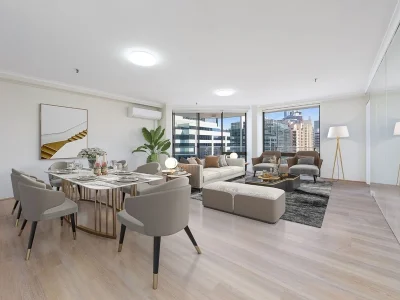
With the average size of new apartments decreasing, homeowners often prioritise clever storage solutions and versatile layouts to prevent a cluttered environment. A Build-to-Order (BTO) 3-room design presents a unique set of challenges, as designers must find ways to integrate essential zones, such as a home office or a dining area, within a limited footprint. Many residents opt for hacking non-structural walls to create an open-concept living and kitchen area, which immediately increases the visual flow of the space. ID2U frequently assists clients in these compact units by suggesting built-in floor-to-ceiling wardrobes and hidden storage compartments under platform beds.
Lighting and colour palettes also play a significant role in how one perceives a smaller home. Selecting light, neutral tones for the walls and flooring reflects natural light, making the interior feel significantly airier. Designers at ID2U often recommend large-format tiles or seamless vinyl flooring to reduce the number of grout lines, which further enhances the sense of continuity throughout the flat. Mirror features placed opposite windows can also double the perceived depth of a room. When you focus on these subtle design elements, a BTO 3-room design can feel just as expansive and comfortable as a larger property. The goal remains to create a sanctuary that serves your daily needs while reflecting your personal identity through carefully chosen accents and textures.
Navigating Regulations and Contractor Selection
Executing a home renovation in Singapore depends on your ability to select the right interior design partner and manage the legal requirements. You must ensure that your chosen contractor appears on the Directory of Renovation Contractors (DRC) to perform any works in an HDB flat, confirming that the firm understands the safety protocols. A professional firm maintains these professional standards, guiding homeowners through the permit application process to avoid unnecessary delays or fines. Always request a detailed breakdown of the quotation to ensure the price includes essential items such as debris removal, floor protection, and professional cleaning after the work is done.
Beyond legalities, communication between the homeowner and the design team dictates the smooth progression of the site works. You should establish a realistic timeline that accounts for the lead times of imported materials, such as specific marble slabs or designer light fixtures. Regular site visits enable you to monitor the progress and address any discrepancies in the workmanship before the team applies the final finishes. A professional firm provides regular updates and uses digital mood boards to ensure everyone remains aligned on the colour schemes and material selections. By maintaining an active role in the project, you reduce the risk of costly rectifications, ensuring that the final result matches the initial technical drawings and meets your functional expectations.
5 Essential Steps for a Successful Renovation
- Verify Permits – Check if your proposed hacking or plumbing works require specific HDB or BCA approvals before starting.
- Set a Timeline – Allow at least eight to twelve weeks for a full renovation, including the fabrication of custom carpentry.
- Audit Your Electricals – Plan the position of power points and data sockets early to avoid messy extension cords later.
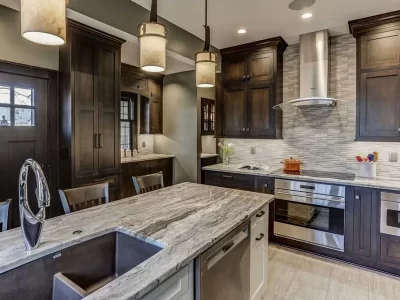
- Assess Material Durability – Choose countertop and flooring materials that withstand the local humidity and your specific cleaning habits.
- Inspect at Completion – Conduct a thorough joint inspection with your contractor to identify and fix any defects before making the final payment.
Conclusion
A successful home renovation in Singapore transforms a basic structure into a functional and inviting home. While the constraints of a BTO 3-room design require creative problem-solving, the results can surpass expectations when you apply the right design principles. Partners like ID2U provide the necessary expertise to navigate both the creative and regulatory aspects of the build, ensuring a stress-free experience for the homeowner. By focusing on spatial efficiency, choosing the right materials, and adhering to local regulations, you create a space that offers long-term value. Invest the time to research your options and select a team that understands your vision, and you will enjoy the rewards of a well-designed home for many years to come.
Transform your living space into a functional sanctuary with a tailored design plan. Contact ID2U today to discuss your vision and start your professional renovation journey.






Comments