
 By
By 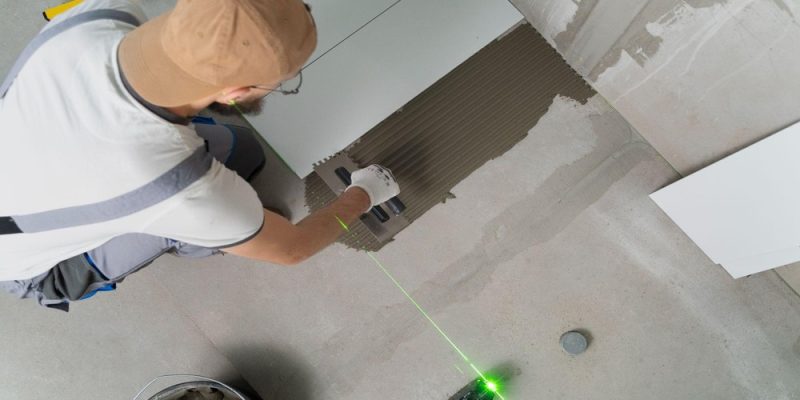
Key Takeaways
- Surface preparation plays a major role in how well tiles bond and stay in place
- Environmental conditions like humidity and temperature influence curing time and strength
- The quality and type of adhesive matter just as much as proper mixing and application
- Choosing reliable building materials supports longer-lasting and more stable installations
Introduction
Loose tiles rarely happen overnight. A faint hollow sound, a slight shift underfoot, then suddenly the problem becomes too obvious to ignore. In many cases, the issue traces back to how well the adhesive performed rather than the tiles themselves.
Cementitious tile adhesive is a common choice across residential and commercial projects, especially when working with building materials in Singapore. It offers dependable strength, yet that performance depends on several factors working in sync. Miss one detail, and the results may not hold up as expected.
Surface And Material Choices Set The Tone
Everything begins with the surface. A clean, level base gives the adhesive the grip it needs to form a strong bond. Any dust, grease, or uneven patches can interfere with that process. In older homes, where surfaces may have slight irregularities, these small imperfections tend to create pressure points that weaken adhesion over time.
Material choice carries equal weight. Not all cementitious tile adhesive products behave the same way. Some are designed for moisture-heavy areas like bathrooms, while others are suited for heavier tiles or external use. Selecting the right type from the range of building materials in Singapore ensures the adhesive matches the demands of the space rather than working against them.
There is also a practical side to consider. Larger tiles, which have become popular in newer flats and condominiums, require adhesives with stronger bonding capabilities. Without the right formulation, even a well-prepared surface may not be enough to support their weight over time.
Mixing, Climate, And Technique Work Together
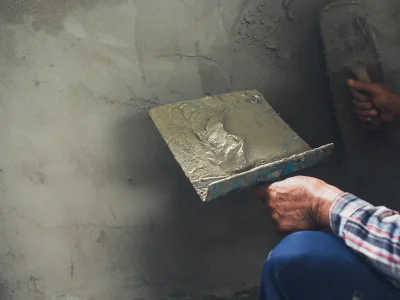
The mixing stage often seems routine, yet it quietly shapes performance. Too much water can dilute the adhesive, making it weaker. Too little, and the mixture becomes stiff, making it harder to apply evenly. The ideal consistency feels smooth but still holds its structure, allowing for a more uniform spread across the surface.
Climate adds another layer of complexity. Singapore’s humidity can slow down curing, while heat can accelerate it. Both extremes affect how the adhesive sets, which is why timing and working conditions matter more than expected. Installers often adjust their pace depending on the weather, even if it is just a subtle shift that keeps the process controlled.
Technique ties everything together. Using a notched trowel to spread cementitious tile adhesive evenly ensures proper coverage beneath each tile. An inconsistent layer can lead to hollow spots or uneven support, which eventually shows up as cracks or loosened tiles. It may look simple, but precision here prevents problems later.
Quality Still Makes The Difference
Even with careful preparation and technique, the quality of materials cannot be overlooked. Reliable cementitious tile adhesive, paired with well-sourced building materials in Singapore, offers greater durability and resistance to environmental stress.
Lower-quality options might seem appealing at first glance, especially when budgets are tight. However, they often lack the resilience needed for long-term use. Over time, repairs and replacements can outweigh any initial savings, making quality a more practical choice for homeowners and contractors alike.
Conclusion
Tile installation is not defined by a single step. It is shaped by preparation, material selection, mixing, and the conditions on-site. When these elements come together, cementitious tile adhesive performs as intended, holding tiles firmly in place even in demanding environments.
Skipping details may save time in the moment, but the effects tend to surface later. A more careful approach from the start leads to results that last and look consistent over the years.
For reliable outcomes, consider sourcing cementitious tile adhesive and building materials in Singapore from trusted suppliers who understand local conditions. Reach out to Ardex-Quicseal Singapore to explore solutions that support a more durable finish.





Comments