
 By
By 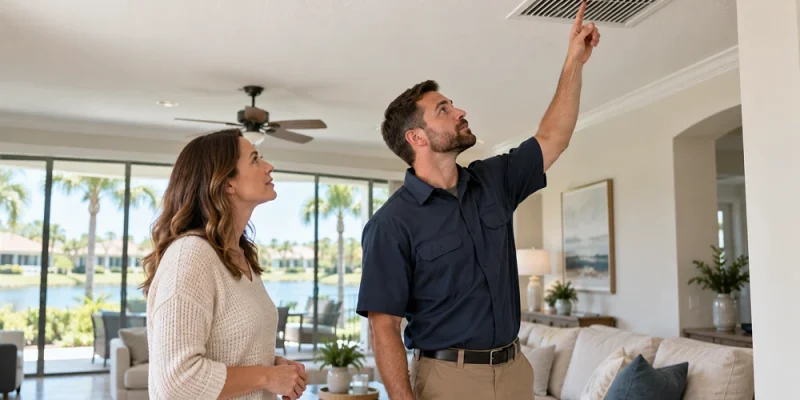
Sneezing at home can make a dusty air vent look like an obvious suspect. Yet allergies rarely have one simple explanation, and a dirty grille does not tell the whole story. Air duct cleaning removes accumulated material from parts of the HVAC system. Whether that work helps someone’s allergies depends on their triggers, the condition of the system, and other sources of exposure throughout the home.
For Central Florida homeowners, the useful starting point is an inspection. Better Air Duct Cleaning FL LLC offers residential duct cleaning and documents its work with before-and-after photographs. That makes the conversation about visible conditions rather than promises of symptom relief.
What Cleaning Can Realistically Accomplish
The clearest benefit is physical removal of identified buildup. If an inspection finds contamination that warrants attention, cleaning can address that material. It cannot establish what causes a person’s sneezing or guarantee that removing debris will change how they feel.
The EPA’s guidance on air duct cleaning explains that cleaning has not been shown to prevent health problems. Much settled duct dust stays on surfaces, and evidence does not conclusively show that dirty ducts raise household particle levels. A small amount of dust alone is therefore not a reason to expect allergy benefits.
This distinction helps homeowners set a fair goal: address a demonstrated system problem, then evaluate the home’s broader allergy picture. A cleaner duct interior and improved allergy symptoms are separate outcomes.
Start With Evidence From Your Own Home
Before deciding to clean your air ducts, ask the provider to explain what they found, where it is located, and why cleaning is appropriate. Request photographs of areas you cannot see yourself. A clear explanation is more useful than a general warning about hidden allergens.
Excessive debris being discharged through supply registers, pest infestation, or substantial visible mold on hard duct surfaces are reasons to consider cleaning. Suspected mold needs proper identification, and the underlying cause must be corrected. A dusty return grille alone does not establish heavy contamination inside the system.
Keep notes about the concern that prompted your call. Was there a visible release of debris? Did someone identify a specific affected component? Sharing those observations gives the technician a concrete starting point and helps you compare the findings with the proposed work.
If you have photographs from an earlier service visit, have them available for discussion. Ask the technician to distinguish earlier observations from current findings so the recommendation reflects the condition of your system today.
Ask What the Service Includes
Better Air’s website describes high-power vacuums and brushes as part of its cleaning process. It also states that the company has Air Systems Cleaning Specialist expertise and provides photographic documentation. These details give homeowners useful subjects to discuss before booking.
Ask for a written scope that names the areas included in your estimate. Clarify whether the quoted work covers only ductwork or also other HVAC components. Discuss access, furniture protection, cleanup, and any additional work before the appointment.
Tell the provider if someone in the household has sensitivities to fragrances or cleaning products. Ask whether any treatments are proposed and request their purpose and product information. You should understand the planned service before agreeing to it.
Afterward, review the photographs with the technician. Ask which areas they show and whether any unresolved conditions require another professional. Documentation helps you assess the work; it does not measure medical improvement.
Address Allergens Beyond the Ductwork
Even thorough duct cleaning leaves many household allergy sources untouched. The Asthma and Allergy Foundation of America’s advice on controlling indoor allergens covers measures such as reducing humidity, managing pet exposure, and cleaning bedding and household surfaces. These steps address sources throughout the home rather than focusing on ventilation alone.
Build a manageable routine around the spaces you use most. Wash bedding regularly, keep sleeping areas cleaner, and use suitable filtration when vacuuming. During high-pollen periods, closed windows can help limit outdoor allergens entering rooms.
Choose changes that match the household’s known triggers. An allergy professional can help identify those triggers and advise on persistent symptoms. Duct cleaning should support a justified home maintenance decision alongside that advice.
Make the Next Step Specific
The best question is whether your HVAC system has a documented condition that needs attention. Ask for evidence, understand the scope, and keep expectations proportionate. Avoid judging a service solely by sweeping claims about healthier Air.
Contact Better Air to request an estimate and discuss your concerns. An informed assessment can help you decide whether cleaning is appropriate and what other steps deserve attention in your home.







Comments