
 By
By 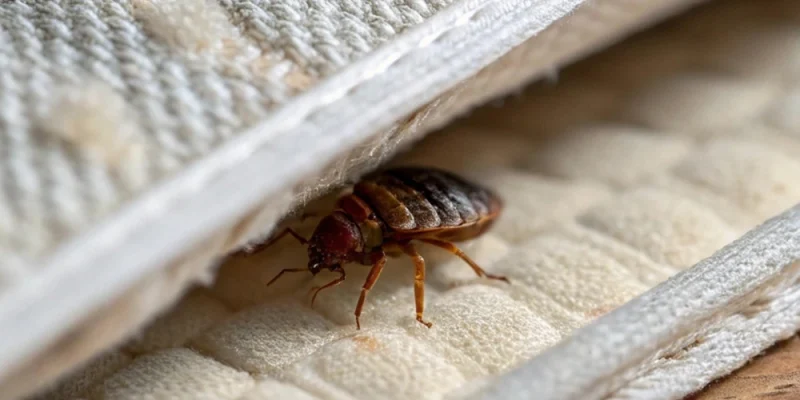
Concept: colony of bed bugs on a matress
Key Highlights
- Bed bugs are attracted to carbon dioxide, body heat, and specific chemical signatures humans emit during sleep.
- Common entry points include secondhand furniture, luggage from travel, and neighbouring infested units.
- Regular inspection of mattress seams, headboards, and furniture crevices helps catch infestations early.
- Heat treatment above 50°C effectively eliminates bed bugs at all life stages.
- Prevention requires consistent vigilance with travel habits, furniture purchases, and home maintenance routines.
Introduction
Bed bugs don’t discriminate based on cleanliness. These persistent parasites infiltrate homes through seemingly innocent pathways that catch most people off guard. Travellers unknowingly transport them in suitcases after staying in infested hotels, whilst secondhand furniture purchases can introduce entire colonies into your living space. Even a brief visit to an infested location allows these hitchhikers to latch onto clothing and bags. Knowing what causes bed bugs is the first and most crucial step to determining the best course of action against infestation.
The insects detect their hosts through carbon dioxide emissions and body heat. They’ve evolved to recognise the chemical cocktail that sleeping humans produce, which explains why bedroom infestations prove most common. Your mattress becomes prime real estate because it offers proximity to regular blood meals and countless hiding spots within seams and crevices.
Flats and terraced housing present additional risks. Bed bugs travel through wall voids, electrical conduits, and shared ventilation systems between units. A neighbour’s untreated infestation can easily become your problem within weeks, spreading silently through the building structure whilst residents remain unaware.
Recognising Early Warning Signs
Small rust-coloured stains on bedding serve as telltale evidence of bed bug activity. These marks result from crushed insects or their excrement, appearing along mattress edges and pillowcase seams. Live bugs resemble apple seeds in size and colour, though younger nymphs appear nearly translucent and far harder to spot during casual inspections.
Check behind picture frames, within electrical outlets, and along baseboards where walls meet floors. Bed bugs prefer tight spaces during daylight hours, emerging primarily at night to feed. Their flat bodies allow them to squeeze into gaps thinner than a credit card, making thorough inspections challenging without proper knowledge and equipment.
Bite patterns often appear in clusters or lines across exposed skin, though reactions vary dramatically between individuals. Some people show no visible response, whilst others develop significant welts and intense itching. Relying solely on bites for detection proves unreliable, making physical evidence searches essential for accurate identification.
Effective Methods to Get Rid of Bed Bugs
There are plenty of ways to get rid of bed bugs, and professional heat treatment remains the gold standard for elimination. Specialised equipment raises room temperatures above 50°C for sustained periods, penetrating furniture and wall cavities where pesticides cannot reach. This approach kills eggs, nymphs, and adults simultaneously without leaving chemical residues, though it requires trained technicians and proper preparation.
Thorough vacuuming of all surfaces, particularly mattress seams and furniture joints, removes many insects and eggs mechanically. Dispose of vacuum contents immediately in sealed plastic bags placed in outdoor bins. Steam cleaning adds another layer of effectiveness, as sustained exposure to temperatures above 60°C proves lethal to bed bugs at all life stages.
Mattress and pillow encasements trap remaining bugs inside, preventing them from feeding whilst making future inspections simpler. These zippered covers must remain in place for at least 18 months to ensure all trapped insects die from starvation. Washing all bedding, curtains, and clothing in hot water above 60°C kills any bugs present in fabric items.
Creating a Long-Term Prevention Strategy
Travel precautions significantly reduce reintroduction risks. Inspect hotel rooms thoroughly before unpacking, checking mattress seams, headboards, and upholstered furniture for signs of activity. Keep luggage on metal racks away from beds and walls, never placing bags on floors or furniture where bugs can easily climb aboard.
Launder all clothing immediately after returning from trips, even items you didn’t wear. Store suitcases in garages or outdoor storage areas rather than bedrooms or wardrobes. These simple habits create barriers that prevent travel-related infestations from establishing in your home.
Regular monitoring catches new infestations before they become severe. Monthly inspections of sleeping areas, combined with bed bug interceptor traps placed under bed legs, provide early warning systems. Reducing bedroom clutter eliminates hiding spots and makes inspections more thorough and effective.
Secondhand furniture requires careful examination before entering your home. Avoid picking up discarded mattresses or upholstered items from streets, as these often harbour infestations that prompted their disposal. When purchasing used furniture, inspect every joint, seam, and crevice under bright light before transport.
Maintaining a Bed Bug-Free Environment
Consistent vigilance proves essential for long-term success. Bed bugs reproduce rapidly once established, with females laying hundreds of eggs during their lifetime. A small missed population can rebuild to infestation levels within months, erasing all previous control efforts and requiring complete retreatment.
Seal cracks in walls, floors, and around pipes to eliminate travel routes between units in multi-family housing. Install door sweeps on bedroom doors to create additional barriers. These structural improvements complement treatment efforts and reduce future vulnerability to neighbouring infestations.
Communication with neighbours in shared housing proves valuable for comprehensive control. Building-wide coordination ensures treatments address the full extent of infestations rather than simply pushing bugs between units. Property managers should implement proactive monitoring programmes rather than reactive responses to complaints.
Conclusion
Successfully managing bed bugs requires understanding what causes bed bugs to invade homes and implementing comprehensive strategies to get rid of bed bugs permanently. These resilient pests demand persistent effort combining immediate elimination tactics with ongoing prevention measures. Regular inspections, cautious travel habits, and structural improvements create layered defences that protect your home from future infestations.
Contact Rentokil Singapore today for professional pest control services backed by decades of expertise. Our specialists deliver targeted solutions that eliminate bed bugs completely whilst preventing their return.





Comments