
 By
By 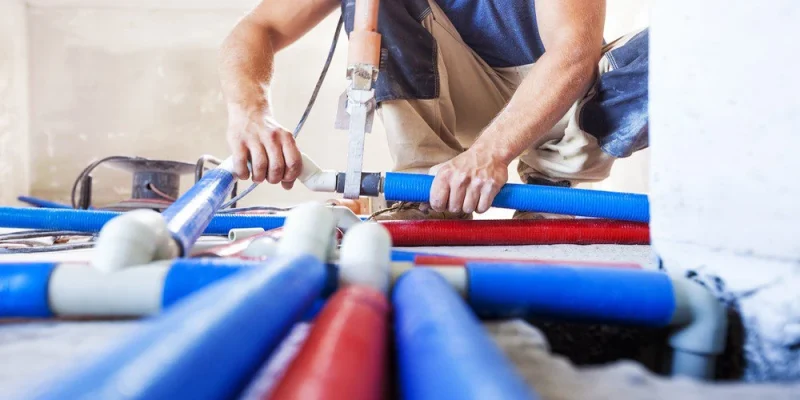
Consistent water flow is an important part of a comfortable and functional home. Faucets, showers, toilets, washing machines, and other fixtures depend on a plumbing system that can deliver water efficiently. When water pressure becomes weak, flow changes unexpectedly, or several fixtures experience similar problems, the issue may extend beyond a single faucet or valve.
Older or deteriorating pipes can gradually restrict water movement throughout a property. While individual repairs may provide temporary relief, recurring problems can indicate that the plumbing system needs a more comprehensive solution. Professional repiping services replace aging or damaged supply lines to help restore dependable water delivery throughout the home.
Recognizing Persistent Water Flow Problems
Water flow issues do not always appear suddenly. In many homes, they develop gradually as pipes age. A shower may lose pressure when another faucet is turned on, or an upstairs bathroom may consistently receive weaker flow than fixtures on the ground floor.
Other warning signs can include fluctuating water pressure, discolored water, frequent leaks, unusual pipe noises, and noticeable changes in flow from multiple fixtures. When these symptoms occur repeatedly, repairing one small section of pipe may not address the underlying condition of the entire system.
Whether the issue is caused by a fixture, a problem with the water supply, a localized obstruction, or deteriorating plumbing lines can be ascertained with the aid of a professional inspection.
Aging Pipes Can Restrict Water Movement
The internal condition of plumbing pipes can change considerably over time. Depending on the material, age, water conditions, and maintenance history, corrosion or mineral accumulation may develop inside supply lines. This reduces the space available for water to travel.
Think of an older pipe as a roadway that gradually becomes narrower. Water may still move through it, but the system has less capacity to supply several fixtures simultaneously. This can explain why pressure appears acceptable at one faucet but drops significantly when multiple fixtures are being used.
Homeowners experiencing widespread flow problems can consult a plumbing company Houston residents use for professional plumbing assessments to determine whether aging pipes are contributing to the issue. Identifying the actual cause before beginning major work helps ensure that repiping is recommended only when appropriate.
Repiping Addresses The System As A Whole
Repeated repairs can become frustrating when problems continue appearing in different sections of the house. Fixing one leaking or restricted pipe does not necessarily improve other deteriorating sections.
Repiping takes a broader approach by replacing outdated supply lines rather than repeatedly addressing isolated symptoms. The exact scope of the project depends on the property’s plumbing layout and pipe condition. Some homes may require extensive replacement, while others may need work concentrated in specific areas.
Professional plumbers typically evaluate accessible pipes, fixture performance, pressure levels, existing materials, and the history of plumbing problems before developing a repiping plan.
Choosing Suitable Replacement Piping
The materials selected for a repiping project can influence installation requirements and long-term plumbing performance. Modern residential plumbing systems commonly use materials designed to provide reliable water delivery while resisting common forms of deterioration.
However, there is no single solution that is automatically suitable for every property. Home design, local requirements, existing plumbing configurations, budget, and water conditions can all affect material selection.
Homeowners should discuss available options with qualified plumbing professionals and understand the expected advantages, installation requirements, and maintenance considerations before making a decision.
Planning Can Reduce Household Disruption
Many homeowners hesitate to consider repiping because they imagine extensive disruption throughout the house. Although repiping is a substantial plumbing project, careful planning can make the process more manageable.
Before work begins, plumbers can identify pipe routes, determine access points, organize replacement sections, and explain where walls or ceilings may need limited access. Homeowners can also prepare by clearing work areas and discussing expected water shutoff periods.
Clear communication throughout the project helps household members plan their routines around the work.
Creating More Reliable Water Flow
Persistent water flow problems should not automatically be treated as minor inconveniences. When several fixtures are affected, or plumbing repairs become increasingly frequent, aging supply lines may be responsible.
Repiping services offer a comprehensive way to address deteriorating pipes and improve the reliability of a home’s water distribution system. With a proper inspection, suitable materials, and careful installation, homeowners can move beyond repeated short-term repairs and build a plumbing system better prepared for everyday household demand.





Comments