
 By
By 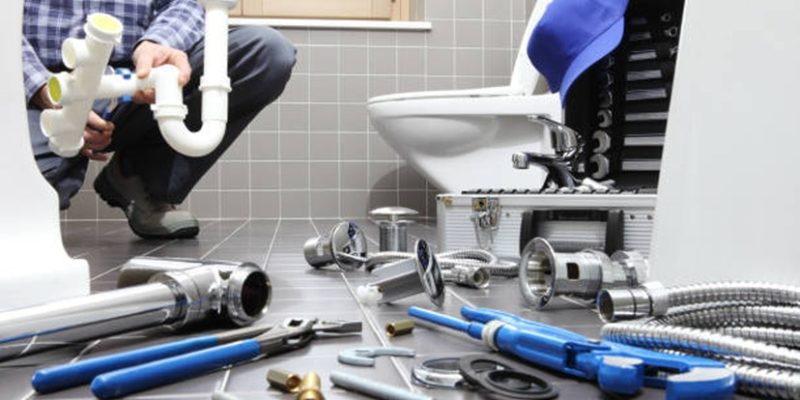
A dripping tap is keeping you up at night. Or maybe your shower is draining slower than it should. Before you panic and call a professional, take a breath. Many common plumbing issues are easier to fix than you think. With the right tools and a little know-how, you can handle plenty of custom-made plumbing fixes yourself. You will save money, gain confidence, and solve problems on your schedule.
The Essential Do-It-Yourself Plumbing Toolkit
The first step in any successful DIY plumbing repair guide is having the right tools. You do not need a full van, but a well-stocked kit makes all the difference.
Must-have tools for your kit:
- Plunger: Get both a cup plunger for sinks and a flange plunger for toilets.
- Adjustable wrench: Great for gripping and turning nuts and bolts.
- Screwdrivers: A set of both Phillips and flathead is essential.
- Drain Snake or Auger: This is your go-to for stubborn clogs, even when they won’t budge.
- Pliers: Tongue-and-groove pliers (like Channellock) work really well for gripping and then turning things in place.
- Plumber’s tape (Teflon tape): Use it for making a watertight seal on threaded connections.
Simple Do-It-Yourself Plumbing Fixes You Can Master
Ready to get started? Here are some common DIY home plumbing repair tasks that are perfect for beginners. This DIY repair should start with research, so watch a video or read a guide first.
Repairing a Running Toilet
A running toilet can waste hundreds of gallons of water. Open the tank and check the flapper. If it is worn or not sealing, it is an easy and inexpensive replacement. Sometimes, the issue is just a chain that is too long or the fill valve float needs adjusting. These are all simple fixes that will stop the water from running and save you money on your water bill.
Replacing a Showerhead
This is one of the easiest upgrades you can do. Just unscrew the old showerhead. Then, clean the threads on the shower arm, wrap them with plumber’s tape and screw on the new showerhead. It’s quick. Simple and it can instantly improve your shower experience.
Unclogging a Slow Drain
A slow drain is a classic DIY plumbing repair problem. Start with the simplest method: pour boiling water down the drain. If that does not work, try a natural solution like baking soda and vinegar.
For those hair clogs, a plastic hair snare tool is pretty cheap, and honestly it’s effective too. If the clog is deeper than that, you may need a hand cranked drain snake. It’ll get in there and handle it. Also, try not to use harsh chemical drain cleaners on the regular, since they can mess up your pipes over time.
Fixing a Leaky Faucet
That constant drip is not just annoying; it is wasting water. Most leaks are caused by a worn-out washer or O-ring. Before you start, turn off the water supply to the faucet. Then, carefully disassemble the handle, find the old part, and take it to the hardware store to find an exact match. Reassemble everything, and the drip should be gone.
When to Call a Professional
Knowing your limits is a key part of any successful DIY guide. Some problems are best left to the pros.
- Multiple drains backing up at the same time could signal a main sewer line clog.
- You smell sewage inside or outside your home.
- A pipe has collapsed or a large leak is suspected behind a wall.
- Your DIY attempts have made the problem worse.
FAQ:
- Is it safe to use chemical drain cleaners for homemade plumbing repairs?
Chemical drain cleaners should be used a little, not too much. If you use them often it can mess up the pipes, especially the older metal kind. Before that, try mechanical options like a plunger or a drain snake. If you want something a bit safer, do baking soda with vinegar, that mixture works as a gentler approach.
- What is the most common mistake in DIY pipework?
Forgetting to turn off the water supply before starting a project is the biggest and most common mistake. Always shut off the water to the fixture or the entire house before you begin any repair.
- What is the simplest DIY plumbing job?
Replacing a showerhead is often considered the easiest custom plumbing project. It requires few tools, is simple to do, and carries a very low risk of causing water damage.
- How do I fix a low water pressure problem?
First, clean the faucet aerator, because mineral buildup is a common reason for the problem. If that does not fix it, the issue may be more complex, like a concealed leak or a broken pressure regulator, and then a trained plumber might need to check it.





Comments