
 By
By 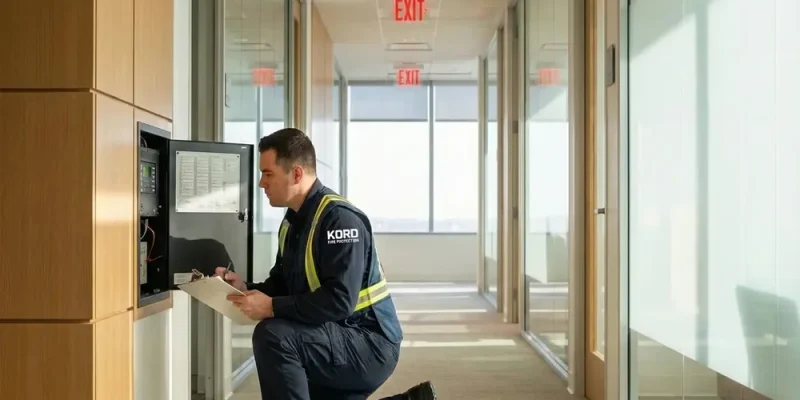
When a building’s fire alarm, sprinkler, or suppression system suddenly stops working, the structure loses its main line of defence against a fast-moving fire. An emergency fire watch is the stopgap measure that fills that gap. Rather than leaving occupants unprotected until repairs are finished, trained personnel are posted on site to watch for smoke, flame, and other warning signs, and to alert everyone if something goes wrong. Understanding what triggers this requirement, and how it actually works, helps property owners react quickly instead of scrambling when an alarm panel goes dark.
When a critical fire protection system becomes unavailable, arranging an Emergency Fire Watch can provide temporary on-site oversight while repairs or other corrective measures are underway. Trained personnel can patrol the affected areas, identify potential fire hazards, maintain communication with occupants and emergency responders, and follow the procedures required by local authorities. Taking prompt action helps maintain an appropriate level of safety until the building’s normal fire protection systems are restored.
Defining an Emergency Fire Watch
An emergency fire watch is a temporary, human-staffed substitute for a fire protection system that is out of service. Instead of relying on automatic detection and suppression, one or more qualified people walk continuous rounds through the affected areas, checking for hazards and staying ready to call for help. It is not a permanent security service; it exists only until the impaired system is restored or the authority having jurisdiction says otherwise.
Common Triggers for a Fire Watch
Several situations can force a building into fire watch mode. A malfunctioning or offline fire alarm panel is the most familiar example, but a sprinkler system taken out of service for repair, testing, or unexpected damage carries the same obligation. Construction and renovation work, hot work such as welding or torch cutting, and repeated nuisance alarms can also prompt a fire official to order a watch until conditions are corrected.
How Long a System Can Stay Down Before Action Is Required
Fire codes generally set time limits on how long a protection system can remain impaired before a watch becomes mandatory. A commonly referenced benchmark treats a fire alarm outage lasting more than a few hours within a single day, or a water-based suppression system down for roughly ten hours or more, as the point at which a watch or evacuation is expected. Local fire marshals can shorten that window for buildings with higher occupancy, vulnerable residents, or heavy fuel loads, so the posted timeline is a floor, not a guarantee.
Who Decides and Who Performs the Watch
The authority having jurisdiction, typically the local fire marshal or fire department, makes the final call on whether a watch is needed and how it should be staffed. Depending on the jurisdiction, the role may be filled by trained employees, licensed contract security guards, or personnel holding a specific fire guard credential. Whoever performs the watch must be dedicated to that task alone, with no competing duties that could pull their attention away from the patrol.
Conclusion
An emergency fire watch is not an optional convenience; it is the safety net that keeps a building compliant and its occupants protected while automatic systems are out of action. Knowing the common triggers, the general time thresholds, and who is authorised to staff the watch allows property managers to respond within minutes rather than hours once an outage occurs, reducing both risk and the chance of regulatory penalties.




Comments