
 By
By 
Fire protection systems are not immune to failure. Power surges, ageing components, water supply interruptions, and routine testing can all take a sprinkler or alarm system offline, sometimes without warning. When that happens, a business faces more than a compliance headache; it faces a genuine gap in protection that must be managed carefully until service is restored. Businesses that plan ahead for these interruptions recover faster and face far less disruption than those that are caught off guard.
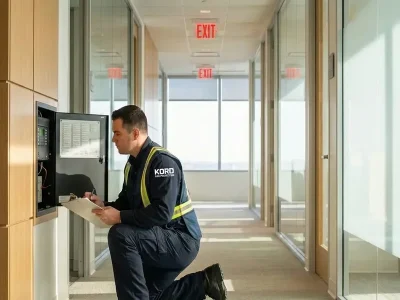
To maintain continuity and avoid structural disruption during a fire system outage, many organizations turn to dedicated professional monitoring services to maintain full safety compliance while repairs take place. Partnering with experienced providers such as The Fast Fire Watch Company ensures trained personnel are immediately deployed to patrol vulnerable areas, log safety checks, and notify emergency services if an incident arises. Integrating this extra layer of security into your immediate protocol bridges the critical gap between system failure and full restoration, keeping both occupants and assets protected.
Since a fire can happen without warning, effective preparation is not about preventing every possible disruption, but about ensuring that the response is immediate, organized, and effective when an incident occur is immediate, coordinated, and well understood by everyone involved.
Building a Continuity Plan
A strong starting point is a written continuity plan that spells out exactly what happens when a fire protection system goes down. This should identify the point at which evacuation becomes necessary, when a fire watch must be initiated, and how occupants, tenants, and insurers will be notified. Having this decided in advance removes guesswork during a stressful moment and ensures a consistent response regardless of who happens to be on site when the issue arises.
Where only part of a facility is affected, the plan should also address whether operations can continue in unaffected areas. Isolating zones, relocating staff, or shifting work to another part of the building can all help maintain some level of productivity while repairs are underway.
It also helps to designate specific individuals as points of contact during an interruption. When employees know exactly who to report to and what decisions have already been made in advance, the business avoids the confusion that often makes an outage feel far worse than it actually is.
Reducing the Odds of an Unplanned Shutdown
Preventive maintenance remains the single most effective way to avoid unplanned interruptions in the first place. Routine testing catches worn components, failing batteries, and sensor problems before they escalate into full system failures, allowing repairs to be scheduled at convenient times instead of during emergencies. Facilities that stay ahead of maintenance also tend to experience fewer false alarms, which reduces unnecessary disruption to daily operations.
Maintaining a relationship with a licensed fire protection provider who can respond quickly when something does go wrong is equally valuable. Quick access to repair technicians shortens the length of any impairment and reduces the amount of time a fire watch or alternative protection measure needs to remain in place.
Insurance and Financial Protection
Business interruption insurance is another piece of the preparation puzzle that is easy to overlook until it is needed. This type of coverage can help offset lost income and relocation costs if a fire system failure forces a temporary shutdown, and reviewing a policy before an incident occurs, rather than after, ensures there are no unpleasant surprises about what is and is not covered.
Documenting every inspection, repair, and fire watch period also strengthens a business’s position with insurers, since a clear paper trail demonstrates that reasonable precautions were taken even when an unexpected interruption occurred.




Comments