
 By
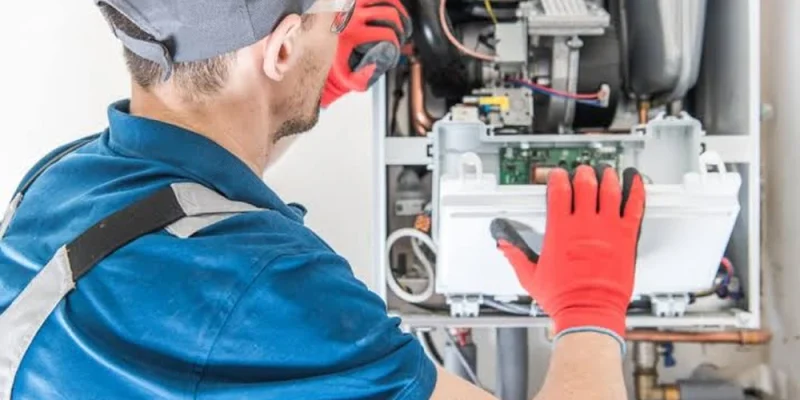
A furnace that receives regular attention is more likely to provide reliable heating when temperatures fall. Over time, dust, restricted airflow, worn components and neglected controls can affect how well a heating system operates. Small problems may go unnoticed until the furnace struggles to maintain a comfortable temperature or stops working altogether. Routine maintenance helps identify developing issues before they become more disruptive.
For homeowners arranging furnace maintenance in Lawrenceville, GA, seasonal preparation is particularly useful before colder weather arrives. Although Georgia winters are generally milder than those in northern states, cold spells can still place extra demands on a heating system. Simple checks, timely filter changes and professional servicing can help support consistent performance while reducing the risk of avoidable faults.
Replace or Clean the Furnace Filter Regularly
The air filter is one of the simplest parts of a furnace to maintain, yet it has an important role in protecting airflow. As dust and other particles accumulate, the filter can become restricted, making it harder for air to pass through the system. This may reduce heating performance and cause the furnace to work under less favourable conditions. The correct filter type and size are essential for effective operation.
Check the filter according to the manufacturer’s instructions and inspect it more frequently during periods of heavy use, particularly in homes with pets or significant dust. Replace disposable filters or clean reusable ones as directed. Avoid assuming that a thicker or more restrictive filter will automatically improve performance, since the furnace must be compatible with its airflow requirements. If filters become dirty unusually quickly, investigate possible sources of excess dust.
Keep Vents and Airflow Clear
Furniture, curtains, rugs and stored items can obstruct supply vents or return-air grilles. These obstructions interfere with the movement of heated air and may contribute to uneven temperatures between rooms. Walk through the property periodically to ensure vents are open and unobstructed. Also check for visible damage to accessible ductwork, such as disconnected sections or damaged insulation.
Restricted airflow can sometimes be mistaken for a furnace problem when the cause lies elsewhere in the heating system. If certain rooms remain cold despite the furnace running, consider whether vents are blocked or the air distribution system needs attention. During furnace maintenance in Lawrenceville, GA, a qualified technician can assess airflow and identify whether duct leaks, equipment issues or other restrictions are affecting comfort.
Inspect the Thermostat and Heating Controls
A thermostat helps regulate when the furnace starts and stops. Incorrect settings, weak batteries in applicable models or a poorly positioned thermostat can lead to inconsistent heating. Keep the device away from direct sunlight, draughts and nearby heat-producing appliances where possible, as these conditions may affect temperature readings. Check the schedule and temperature settings before assuming the furnace has developed a fault.
If the furnace does not respond as expected, verify that the thermostat is set to heating mode and that the requested temperature is above the current room temperature. Follow the manufacturer’s instructions when changing batteries or adjusting settings. Persistent short cycling, unexplained temperature fluctuations or repeated failure to start should be assessed by a professional rather than addressed through repeated adjustments.
Arrange Professional Furnace Servicing
Some maintenance tasks require specialist knowledge, suitable tools and an understanding of heating system safety. During a service visit, a qualified technician can inspect relevant components, check electrical connections and controls, assess combustion equipment where applicable, and look for signs of wear. The precise checks depend on the furnace type, its condition and the manufacturer’s recommendations.
Before booking a service, ask what the appointment includes and whether any concerns identified during the inspection will require separate repairs. Keep records of previous servicing, replacement parts and recurring faults, as these details can help a technician assess the system’s condition. If the furnace makes unusual noises, produces unfamiliar smells or repeatedly loses heating, arrange an inspection rather than waiting for the next routine appointment.
Watch for Early Warning Signs
Changes in how a furnace sounds, smells or heats the home can provide useful clues that something needs attention. Rattling, grinding or persistent banging may indicate a loose component or another mechanical issue. A sudden increase in energy use can also be worth investigating, although weather changes, thermostat settings and energy prices may influence bills independently of furnace performance.
Pay attention to warning signs such as:
- Uneven heating across rooms or difficulty reaching the set temperature.
- Frequent starting and stopping during normal operation.
- Unusual noises or persistent burning smells.
- Repeated shutdowns or warning indicators on the equipment.
Do not ignore a carbon monoxide alarm or signs of a possible fuel leak. Leave the affected area and contact the appropriate emergency service or utility provider from a safe location. Never attempt to repair gas connections or internal furnace components without the required qualifications.
Last Thoughts
Regular furnace care involves more than arranging a service once a year. Replacing filters as needed, keeping vents clear, checking thermostat settings and paying attention to changes in performance can help maintain airflow and identify potential problems early. Professional inspections provide an additional opportunity to assess components that homeowners should not attempt to service themselves.
Prepare the system before the heating season, follow the manufacturer’s maintenance guidance and seek professional help when faults persist. These practical habits can support dependable heating, help avoid preventable breakdowns and keep the furnace operating as intended throughout colder periods.
========================================================================



Comments