
 By
By 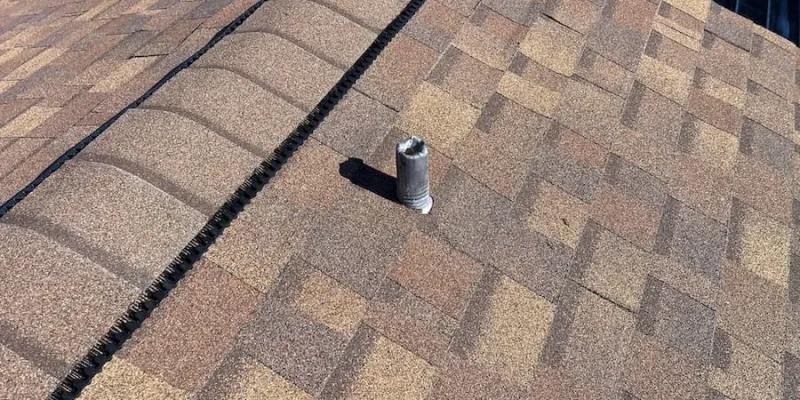
When homeowners think about roof longevity, the conversation tends to focus on shingles, flashing, and what is visible from the outside. What gets far less attention is the environment directly beneath the roof surface, where attic conditions have a measurable and often underestimated effect on how long roofing materials actually last.
Proper attic ventilation is not a luxury or an afterthought. It is a functional component of the roofing system that directly affects the performance and lifespan of everything above it.
The Basic Mechanics of Attic Ventilation
A well-ventilated attic works on a simple principle: cool, dry air enters through vents at the lower points of the roof, typically soffit vents along the eaves, rises as it warms, and exits through vents at or near the ridge. This continuous airflow serves two purposes simultaneously. In summer, it carries away excess heat that would otherwise build up and bake the roofing materials from below. In winter, it keeps the attic cold enough to prevent the uneven snow melting that leads to ice dam formation.
When this airflow is disrupted, whether by blocked soffit vents, inadequate ridge ventilation, or insulation that has been incorrectly installed to cover intake vents, the entire system is compromised. The attic stops functioning as a buffer and starts functioning as a heat and moisture trap.
How Poor Ventilation Damages Roofing Materials
In summer, an attic without adequate ventilation can reach temperatures well above ambient outdoor temperature. That heat radiates upward into the roofing materials and accelerates the breakdown of asphalt shingles significantly. Shingle manufacturers test their products under standardised conditions, and the warranty periods they offer assume proper ventilation beneath the roof. Poor ventilation can void a manufacturer’s warranty and can realistically reduce the lifespan of a 25-year shingle by five years or more through this mechanism alone. Experienced Chicago roofers who assess roofs regularly see the difference in shingle condition between homes with adequate attic airflow and those without, and the gap in aging rate is consistently visible.
Moisture is the other major threat. Indoor air contains water vapour that rises through the living spaces and enters the attic. Without adequate ventilation to carry that moisture out, it condenses on the cold underside of the roof decking in winter. This condensation, repeated across multiple cold months, saturates the wood decking and creates the conditions for rot, mould, and structural weakening of the sheathing that supports everything above it. Decking that has been weakened by moisture is one of the most common findings when a roof replacement reveals significant problems beneath the surface.
The Specific Risks in a Chicago Climate
Chicago’s winters create an ice dam risk that is directly tied to attic temperature. Ice dams form when the upper portion of the roof is warm enough to melt accumulated snow, while the eaves remain cold enough to refreeze the meltwater. That temperature differential across the roof surface is primarily a product of heat escaping from a poorly ventilated attic. A cold attic, maintained by proper ventilation, keeps the entire roof surface at a more uniform low temperature, which significantly reduces ice dam formation.
Chicago’s summers add the opposing challenge: heat stress on shingles driven by solar gain and poor attic airflow. A roof in Chicago needs its ventilation system to perform effectively in both directions, keeping the attic cold enough in winter to prevent ice dams and cool enough in summer to protect the shingles from accelerated thermal degradation.
Signs That Attic Ventilation May Be Inadequate
Several observable signs can indicate that an attic is not ventilating properly. Ice dams forming every winter, despite gutters being clean, are a strong indicator. Shingles that are aging faster than their rated lifespan suggests, showing granule loss or brittleness well before the expected timeframe, can indicate elevated attic temperatures. In summer, an attic that is noticeably hotter than outdoor temperatures when accessed is another sign. Inside the home, moisture staining on attic insulation or visible mould on the underside of the roof decking are more advanced indicators that the ventilation problem has been present long enough to cause material damage.
What a Proper Ventilation Assessment Involves
A proper assessment calculates the net free area of ventilation the attic currently has, checks that intake and exhaust vents are balanced and unobstructed, and confirms that insulation has not been installed in a way that blocks airflow at the eaves. In some cases, the existing vent positions are adequate but the total vent area is insufficient for the attic’s volume. In others, soffit vents are functioning but ridge ventilation is missing or inadequate, disrupting the intake-to-exhaust flow that effective ventilation depends on.
Conclusion
Attic ventilation is one of the most cost-effective investments a homeowner can make in the longevity of their roof. Addressing a ventilation shortfall is almost always significantly less expensive than the replacement or repair costs it prevents over the life of the roofing system.
To understand how your attic’s condition is currently affecting your roof, reading more about how your attic affects roof health provides a detailed picture of the relationship between these two systems and what a professional assessment of your specific setup involves.









Comments