
 By
By 
A forgotten attic is a magnet for trouble, mold, dust, wildlife droppings, and even illnesses can silently creep into your home from above. Taking attic contamination lightly is a risk few homeowners can afford. Knowing the key steps for effective attic decontamination not only protects your property but also safeguards the health of everyone living under your roof.
Understanding Attic Contamination: Causes and Risks
Dark, humid, and rarely visited, the attic is the perfect breeding ground for contaminants. Mold flourishes in moisture-prone insulation. Pathogens linger in the aftermath of rodent or raccoon invasions. Even after a minor roof leak or a single animal visit, contamination can set in quickly.
Common Contaminants: Mold, Pathogens, and Wildlife Residues
Mold spores, airborne bacteria, animal feces, and even dead insects are frequent attic culprits. Wildlife, such as squirrels or bats, often leave behind urine and droppings teeming with bacteria and parasites. These contaminants are not always visible but pose hidden dangers.
Health Implications of Attic Contamination
Exposure to attic-born contaminants is more serious than most homeowners realize. Mold and bacteria can aggravate allergies, trigger asthma attacks, and cause chronic respiratory issues. Pathogens from wildlife may transmit diseases such as histoplasmosis or hantavirus, particularly dangerous for young children and seniors.
When and Why Does Decontamination Become Necessary?
Decontamination is critical after water leaks, pest infestations, or whenever you notice unpleasant odors or visible mold. Ignoring the attic may mean ongoing exposure to harmful particles circulating through your home’s ventilation system.
Key Methods for Attic Decontamination
The approach you choose will depend on the nature and extent of the contamination. Let’s break down the main methods.
Chemical Treatments vs. Natural Remediation Techniques
Chemical disinfectants can eradicate mold and pathogens swiftly, but they may leave lingering odors or require specialized application. Natural techniques, such as dry ice blasting or eco-friendly enzymatic cleaners, are less harsh but sometimes less effective on severe contamination. The choice hinges on balancing effectiveness against environmental and health considerations.
Insulation Removal and Replacement: Approaches Compared
Severely soiled or moldy insulation must often be removed. Some services vacuum out old fiberglass batts or blown-in insulation, while others opt for manual removal when precision is required. Replacement options range from traditional fiberglass to modern cellulose or spray foam, each with benefits for energy efficiency and allergen resistance.
Wildlife Removal and Prevention Strategies
If animals have been present, humane trapping and exclusion are essential. Professionals seal entry points, install deterrents, and sometimes use one-way doors to allow existing wildlife out, preventing re-entry and ongoing contamination.
Attic Decontamination Process: Step-by-Step Approaches
Effective decontamination is not a one-size-fits-all job. The process should be methodical and thorough.
– Inspection and Assessment: Professionals use moisture meters, infrared cameras, and visual checks to identify contamination hotspots.
– Targeted Cleaning: Manual scrubbing for stuck-on residues, vacuuming with HEPA filters for dust and spores, and fogging for inaccessible crevices.
– Disinfection: Application of appropriate cleaning agents, ensuring pathogens and mold are thoroughly neutralized.
– Drying and Ventilation: Industrial fans or advanced dehumidification systems eliminate excess moisture and prevent mold recurrence.
Attic Restoration Post-Decontamination
Cleaning is just the start. Restoration means making the attic better than before.
Restoring Structural Integrity: Repair Techniques
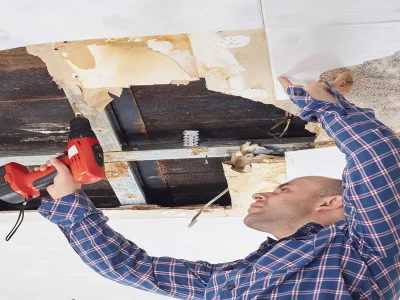
Compromised wood or drywall is replaced or reinforced. Roof leaks are patched. Proper restoration ensures contaminants do not return.
Reinsulating Options: Types and Benefits
New insulation is selected based on R-value, moisture resistance, and longevity. Choosing high-performance materials at this stage can reduce energy bills and future contamination risk.
Odor Removal and Air Quality Improvement
Specialized filters, ozone generators, or natural absorbers like activated charcoal may be used to neutralize lingering odors and boost overall air quality.
Comparing Professional Services vs. DIY Attic Decontamination
Should you tackle the job yourself or call in experts? Here’s a side-by-side look:
| Aspect | Professional Service | DIY Approach |
|———————–|———————————|———————————–|
| Expertise | Certified, experienced teams | Limited to homeowner knowledge |
| Safety | Proper PPE, risk mitigation | Higher exposure to contaminants |
| Tools | Specialized equipment (HEPA vacuums, foggers, etc.) | Basic household tools |
| Time Investment | Efficient, quick turnaround | Can be slow and physically taxing |
| Guarantees | Often includes warranties | No formal guarantee |
In regions like Ottawa, experts such as Insulation Services Ottawa bring not only professional-grade tools but also local knowledge of climate, pest behavior, and building codes.
Regional Considerations and Specialized Services
Attic decontamination is not the same everywhere. Cold climates demand robust insulation and vigilant moisture control. Areas prone to wildlife require specific exclusion tactics and ongoing monitoring.
Climate Impact on Decontamination Methods
In Ottawa, fluctuating temperatures and humidity mean that mold grows fast and attic insulation degrades quickly. Service providers tailor methods accordingly, focusing on moisture management.
Wildlife Management Practices by Area
Techniques for wildlife exclusion vary. In cities with frequent raccoon activity, reinforced barriers and regular inspections are vital, while rural areas might focus more on bat and rodent prevention.
Regulations and Standards for Residential Attic Decontamination
Local laws may require specific disposal methods for contaminated materials and mandate certain air quality standards post-restoration.
Preventative Measures to Avoid Future Contamination
Decontamination is only part of the equation. Preventing recurrence is the real win.
– Routine Inspections: Catch small leaks or animal entry points before they escalate.
– Moisture Control: Install proper ventilation, vapor barriers, and sump pumps if needed.
– Sealing and Insulating: Modern insulation and well-sealed entry points help keep moisture and pests at bay.
A healthy attic is worth the effort. Protect your space, your family, and your peace of mind by giving your attic the attention it deserves.







Comments